Health & Imaging
Does an EMG Test Hurt? What Nerve Conduction Studies Feel Like
If you’ve got an EMG test coming up you’re probably a little nervous about it. That normal. Most people searching does the emg test hurt are not looking for a textbook answer. They want the real version. So here it is.
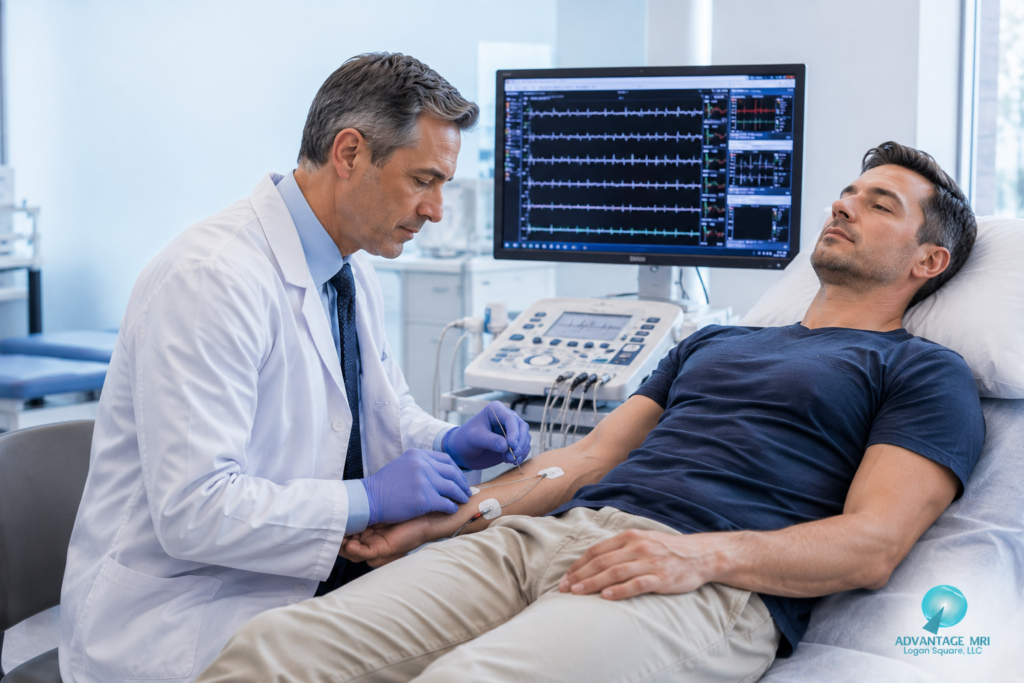
An EMG test, short for electromyography, checks how your nerves and muscles are talking to each other. It often paired with a nerve conduction study and together they help a doctor figure out what causing numbness, tingling, weakness or pain that just won’t go away. At Advantage MRI in the Hermosa neighborhood of Chicago, patients ask about this test almost every week and the honest answer is that yes there some discomfort involved but it short and most people handle it just fine.
This article walks through what the test actually feels like, what causes any pain after EMG, including concerns about severe pain after EMG test, how EMG and nerve conduction studies work together and where an event monitor vs Holter monitor decision might fit into your larger diagnostic picture. This is general health information and not a substitute for advice from your own healthcare provider.
Need to Schedule a Diagnostic Appointment?
Whether you need an MRI, ultrasound, X-ray, or another diagnostic service, Advantage MRI is here to help you take the next step in your healthcare journey.
Submit your appointment request online, and our team will contact you to confirm your visit.
Book Your Appointment →What Is an EMG Test and Why Doctors Order It
An electrodiagnostic test measures electrical activity in your muscles and the electrical signals your nerves send to control them. Doctors order it when someone has unexplained muscle weakness, numbness, tingling or pain that seems connected to nerve or muscle problems rather than something structural like a herniated disc alone.
Common reasons for referral include suspected carpal tunnel syndrome, a pinched nerve in the neck or back, peripheral neuropathy, nerve compression from an old injury or in rare cases something more serious like amyotrophic lateral sclerosis. Neurology practices also use EMG studies to track how a nerve injury is healing over time.
Here the thing though. EMG and nerve conduction studies are actually two related but different parts of testing.
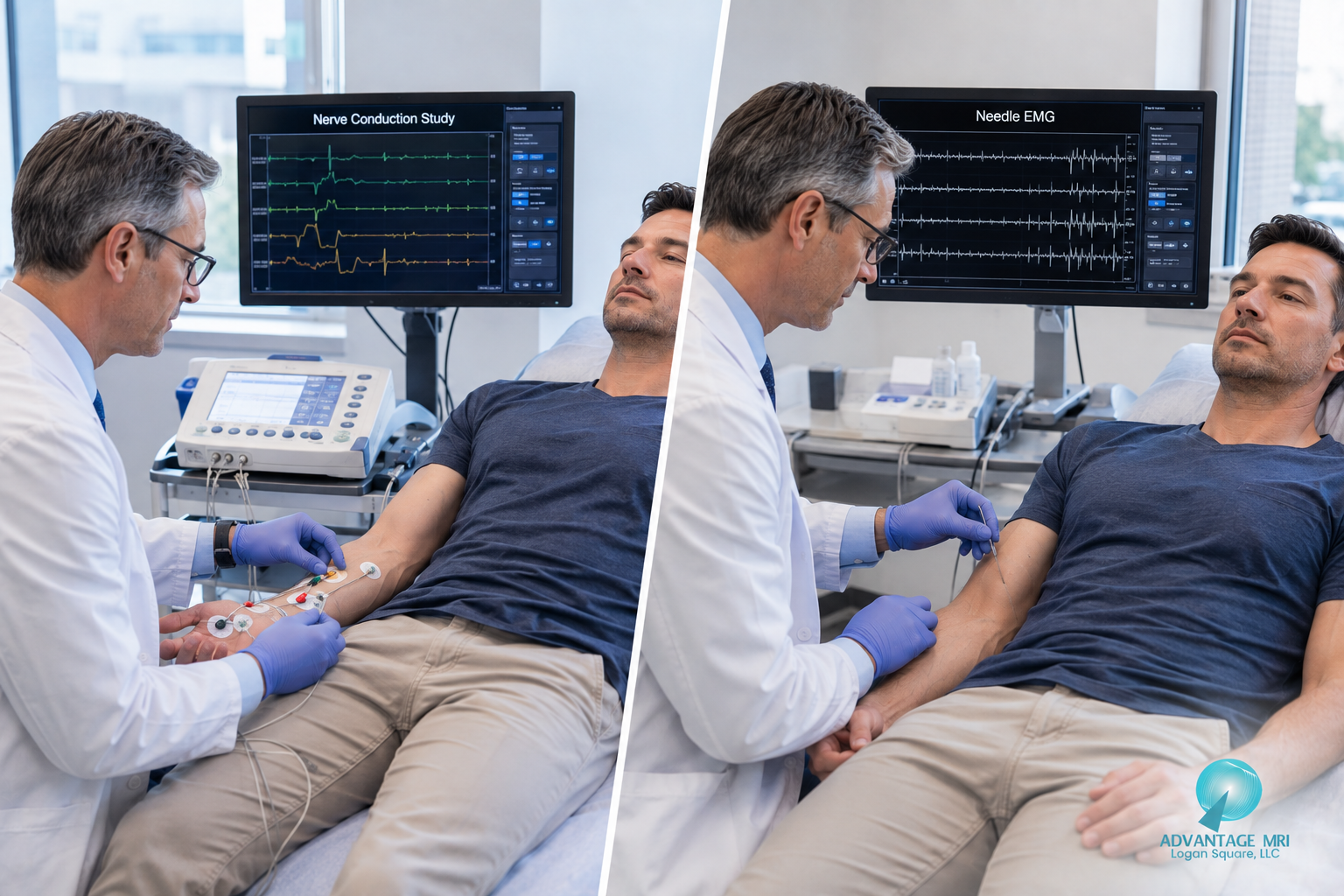
Nerve conduction study (NCS): small electrodes are taped to your skin. A mild electrical stimulation is sent through the nerve and the machine measures how fast and how strong the signal travels. Most people describe this part as a quick tingle or a small zap, kind of like static shock. It over in a second and repeats a few times per nerve.
Needle EMG: this is the part people worry about most. A thin needle electrode is inserted into the muscle to record its electrical activity both at rest and while you contract it. This part involves a small poke similar to a blood draw and you might feel mild pain or a dull ache while the needle is in place.
A table like the one below is a good spot to compare the two side by side.
| Test Part | What It Measures | Typical Duration | What It Feels Like |
|---|---|---|---|
| Nerve Conduction Study | Speed and strength of nerve signals | 15 to 30 minutes | Brief tingle or zap per pulse |
| Needle EMG | Electrical activity in muscle | 15 to 45 minutes | Small poke, mild soreness |
Does the EMG Test Hurt
Let just answer it straight. Does an emg test hurt? For most people, the nerve conduction part feels more startling than painful and the needle EMG part causes mild to moderate discomfort, not severe pain for the vast majority of patients. It not nothing but it also not the ordeal some online forums make it sound like.
Nerve conduction studies use electrical stimulation through surface electrodes and while that stimulation can feel sharp or buzzy for a split second, it doesn’t linger. Most patients say it more surprising than painful and after a few pulses your body kind of gets used to it.
The needle electromyography part is where sensation goes up a notch. You’ll feel the needle insertion, which for many people feels like a quick pinch. As the technician or physician moves the needle to test different areas of the muscle or asks you to contract the muscle while it in place, some patients notice a dull ache, a mild burning pain or a brief electric type sensation if the needle happens to be near a sensitive nerve. That sensation usually passes fast once the needle is repositioned.
And look, pain tolerance is personal. Someone who had a lot of blood draws or injections might barely notice it. Someone who needle sensitive might find it more uncomfortable. Both reactions are normal.
Is EMG Test Painful for Everyone
Not exactly and here why. Several things affect how much discomfort a person feels during an EMG and nerve conduction study.
Which muscles get tested matters a lot. Muscles closer to the skin surface, like those in the forearm or lower leg, tend to be less sensitive than deeper muscles or muscles near joints. The number of muscles or nerves tested also plays a role since a standard emg test may check several different nerves and muscle groups depending on what your doctor is trying to rule out.
Anxiety level matters too. Patients who go in tense and expecting the worst often report more discomfort than those who go in relaxed. That not just in your head either, muscle tension itself can make needle insertion feel sharper.
The underlying nerve or muscle problem being investigated can change the experience as well. If you already have nerve irritation or nerve damage in the area being tested, that spot might be more reactive to the needle electrode than healthy tissue would be.
So is emg test painful or not really depends on the person, the muscles tested and what condition is being evaluated. Mild pain is the most common experience. Severe pain is uncommon and usually short lived even when it happens.
Nerve Conduction Studies and Needle Electromyography Combined
When emg tests and nerve conduction studies are done together, which is standard for most referrals, the nerve conduction part usually comes first. This gives the technologist baseline information about how nerves and muscles are functioning before moving to the needle exam.
Think of it as two different measurements answering two different questions. Nerve conduction studies and needle electromyography combined can help a doctor tell the difference between a nerve problem, a muscle problem or a mix of both. That distinction changes treatment, so even though the combined test takes longer, the extra information is usually worth it.
Most full sessions run somewhere between 30 minutes and an hour depending on how many nerves and muscles need checking. A healthcare provider will usually explain beforehand which areas are being tested and why.
EMG Test Side Effects
Emg test side effects are generally minor and short term. That one of the reassuring parts of this whole process. You’re not looking at a long recovery or anything close to it.
The most common things people notice afterward include muscle soreness in the area tested, a small bruise where the needle went in and occasionally mild swelling. Some people also report brief tingling or numbness right after testing, which typically fades within a few hours.
- Muscle soreness that feels similar to a mild workout ache, usually gone in a day or two
- A small bruise at the needle insertion site, which can take about a week to fade like any other bruise
- Rarely, some tenderness if the needle happened to touch a small blood vessel
Serious side effects are rare. Infection at the needle site is extremely uncommon since sterile needles are used for each patient. If you notice increasing redness, warmth, swelling or fever after your test, that worth a call to your healthcare provider but for the overwhelming majority of patients none of that happens.
/
Pain After EMG and How Long It Lasts
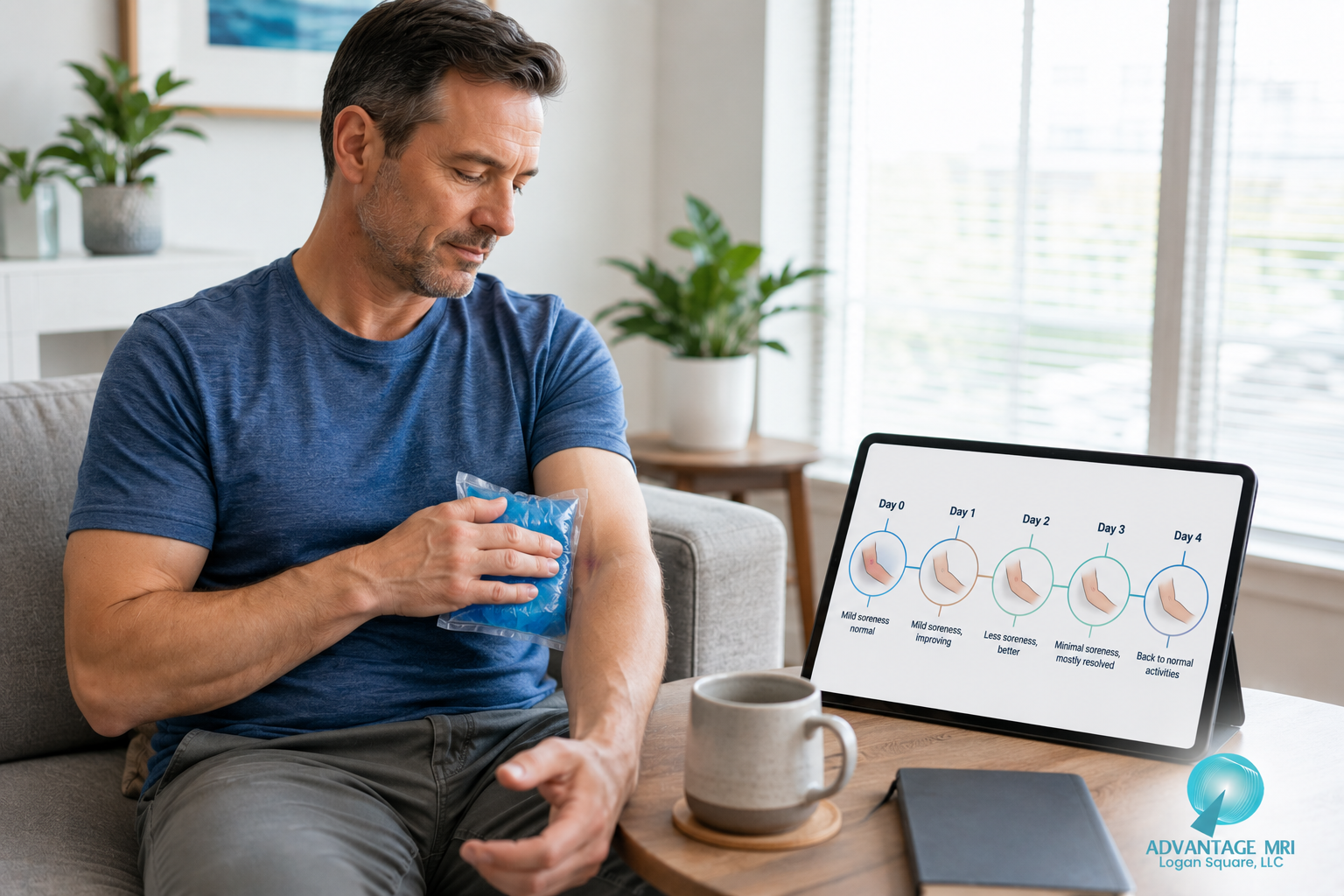
Pain after emg is usually mild and doesn’t stick around long. Most patients feel some soreness in the tested muscles for a day or two, similar to how a muscle feels after a tough workout you weren’t quite ready for.
A general timeline looks something like this. On the day of the test you might notice some tenderness right at the needle sites. Over the next 24 to 48 hours, muscle soreness may occur and usually peaks then starts fading. By day three or four most people report feeling back to normal, though a bruise might still be visible for a bit longer.
If soreness is bothering you, most healthcare providers say it fine to take over the counter pain medication like acetaminophen or ibuprofen, apply a cold pack to the area and just take it easy on strenuous activity involving that muscle for a day. This is general guidance though and you should follow whatever your own doctor tells you specifically for your situation.
EMG Results and What Normal Results Mean
After your emg test the neurologist or physician reviewing your results looks at how your nerves conducted electrical signals and how your muscles responded both at rest and during contraction.
Normal emg results generally mean the electrical activity in your muscles looked as expected, both when relaxed and when contracting and your nerve conduction study numbers fell within a typical range for someone your age. Normal results are good news but they don’t always rule out every possible nerve or muscle problem, since some conditions show up better with imaging or blood work.
Abnormal results can point toward a range of things depending on the pattern seen, from a pinched nerve or carpal tunnel syndrome to more diffuse nerve conditions like peripheral neuropathy. In some cases the findings support conditions like muscular dystrophy or point your doctor toward further testing.
Results of an emg test aren’t always available the same day since a full written report often takes a bit of interpretation. Ask your care team at Advantage MRI how soon you can expect your results and how they’ll be shared with your referring physician.
Event Monitor vs Holter Monitor Quick Comparison
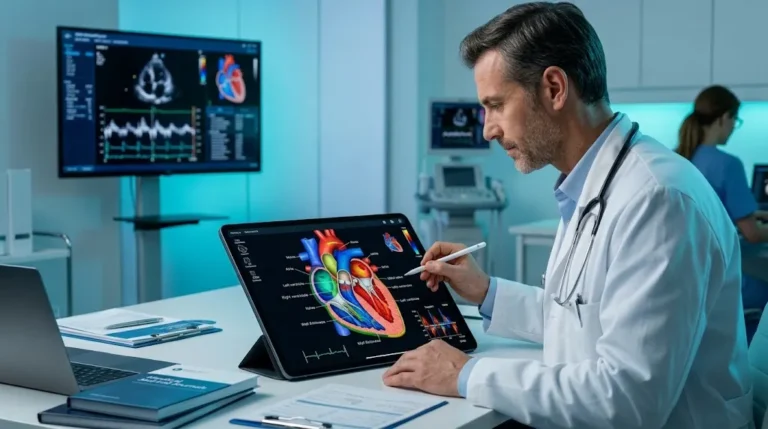
Since EMG testing is sometimes ordered alongside cardiac workups when a doctor is trying to rule out several possible causes for symptoms like dizziness or fatigue, it worth touching on a related but different test. This one has nothing to do with nerves and muscles. It about your heart rhythm.
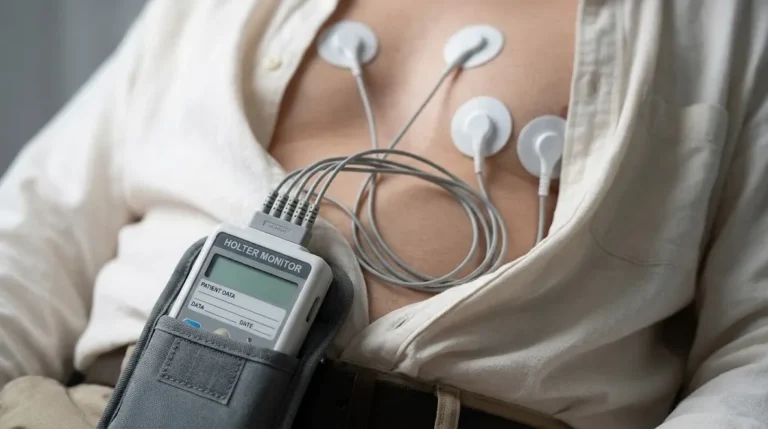
A holter monitor is a small wearable device that records your heart electrical activity continuously, usually for 24 to 48 hours. It a good fit when your doctor wants a full picture of your heart rhythm over a short, defined period.
An event monitor, on the other hand, is worn longer, sometimes for weeks but it only records when you trigger it or when it detects an irregular rhythm on its own. It better suited for symptoms that come and go unpredictably, since a 48 hour holter window might miss something that only happens once a month.
| Feature | Holter Monitor | Event Monitor |
|---|---|---|
| Wear Time | 24 to 48 hours | Days to a few weeks |
| Recording Style | Continuous | Triggered or symptom based |
| Best For | Frequent or daily symptoms | Occasional or unpredictable symptoms |
If your doctor has ordered either test alongside your nerve and muscle workup, our ekg testing services can also give a quick snapshot of your heart rhythm during your visit.
What to Expect at Advantage MRI for Your EMG Test
Advantage MRI is a diagnostic imaging center in the Hermosa neighborhood of Chicago and our team handles electrodiagnostic testing alongside a full range of imaging services including nerve conduction study and emg testing appointments.
Our facility is ACR accredited and our imaging is reviewed by board certified radiologists, including Dr. Gregory T. Goldstein MD, who has spent years focused on orthopedic and neurologic imaging and founded MetisMD along with the Connected RadiologySM approach to care. That background means your results get read by someone who specializes in exactly this kind of nerve and muscle case, not a generalist working through a stack of unrelated scans.
We also offer on site pharmacy access and IV treatment capability for patients who need it, plus fast scheduling and reporting so you’re not left waiting weeks to hear back. If your referring physician also wants imaging to rule out structural issues, we offer mri imaging, digital x ray and ultrasound under one roof, along with cardiac testing like echocardiogram if your workup extends that direction.
You can read more about our team on our about us page before your visit if that helps ease any nerves.
Frequently Asked Questions About Severe Pain After EMG Test
Does an EMG test hurt?
Most patients feel mild to moderate discomfort during the needle portion and a quick tingle during the nerve conduction portion. Severe pain is uncommon and any soreness usually fades within a day or two.
Is EMG test painful or not for most patients?
For most patients it mildly uncomfortable rather than truly painful. Sensation varies by which muscle is tested and by individual pain tolerance but very few people describe it as unbearable.
Does the EMG test hurt more than a nerve conduction study?
Generally yes. The needle EMG portion tends to cause more discomfort than the nerve conduction study, which only involves small electrical pulses through surface electrodes rather than needle insertion.
What are common EMG test side effects?
The most common side effects are muscle soreness, a small bruise at the needle site and occasionally brief tingling. Serious side effects like infection are rare since sterile equipment is used for every patient.
How long does pain after EMG last?
Most soreness peaks within the first day or two and resolves within about three to four days. A bruise at the needle site might take slightly longer to fade completely.
Can I go back to work the same day after an EMG?
Most people can return to normal activities right after the test. If your job involves heavy use of the tested muscle group, some mild soreness might make that uncomfortable for a day, so plan accordingly if possible.
What is the difference between an event monitor and a holter monitor?
A holter monitor records heart activity continuously over 24 to 48 hours, while an event monitor is worn longer and records only when triggered by symptoms or an irregular rhythm. Your doctor picks based on how often your symptoms occur.
How do I read normal results of an EMG test?
Normal results mean the electrical activity in your muscles and the speed of your nerve signals fell within expected ranges. Your doctor will go over what those numbers mean for your specific symptoms and history.
Who should get an EMG and nerve conduction study?
People with unexplained numbness, tingling, weakness or nerve or muscle pain that hasn’t been explained by other testing are common candidates. A referring physician usually orders this after a physical exam raises questions about nerve function.
How do I prepare for EMG testing in Chicago?
Avoid lotions or oils on the skin the day of your test since they can interfere with electrode placement, wear comfortable loose clothing and let your technologist know about any medications that affect blood clotting. Our team at Advantage MRI can walk you through specific prep instructions when you schedule.
Conclusion
An EMG test is not a comfortable experience in the sense that you’ll feel nothing but it also not the frightening ordeal it sometimes gets built up to be online. Mild pain, some brief zaps and a bit of soreness afterward is the realistic picture for most patients. The information this test provides about your nerves and muscles is often exactly what your doctor needs to figure out what actually going on and how to treat it.
If you’ve been told you need an EMG, a nerve conduction study or you’re weighing an event monitor versus a holter monitor for a separate heart related concern, our team at Advantage MRI is glad to walk you through what to expect before you ever step in the door.
This article is for general information only and is not a substitute for medical advice, diagnosis or treatment from your own healthcare provider.
Contact Us
- Address: 2008 N Pulaski Rd, Chicago, IL 60639
- Phone: (773) 227 9777
- Website: advantagemri.org
For reliable, advanced diagnostic imaging you can trust, call Advantage MRI today or schedule your appointment online. You can also reach our front desk directly through our contact us page.
Follow us on social media for the latest health tips, diagnostic imaging updates and clinic news: Facebook | Instagram | LinkedIn.