Health & Imaging
Holter Monitor Cost: What to Expect Before Your Heart Test

So your doctor just mentioned a holter monitor and now you are sitting there wondering what this thing actually costs. That is a fair question. Most people have never worn one before and the price tag can feel like a mystery until someone breaks it down in plain terms.
Here is the thing. Holter monitor cost depends on a handful of factors and none of them are complicated once you see them laid out. We will walk through the price ranges the different test lengths and what actually drives the number up or down. By the end you will know roughly what to expect before you ever step into a clinic.
Quick note before we start. This article is meant to inform you and it is not a substitute for medical advice from your own doctor or cardiologist.
Need to Schedule a Diagnostic Appointment?
Whether you need an MRI, ultrasound, X-ray, or another diagnostic service, Advantage MRI is here to help you take the next step in your healthcare journey.
Submit your appointment request online, and our team will contact you to confirm your visit.
Book Your Appointment →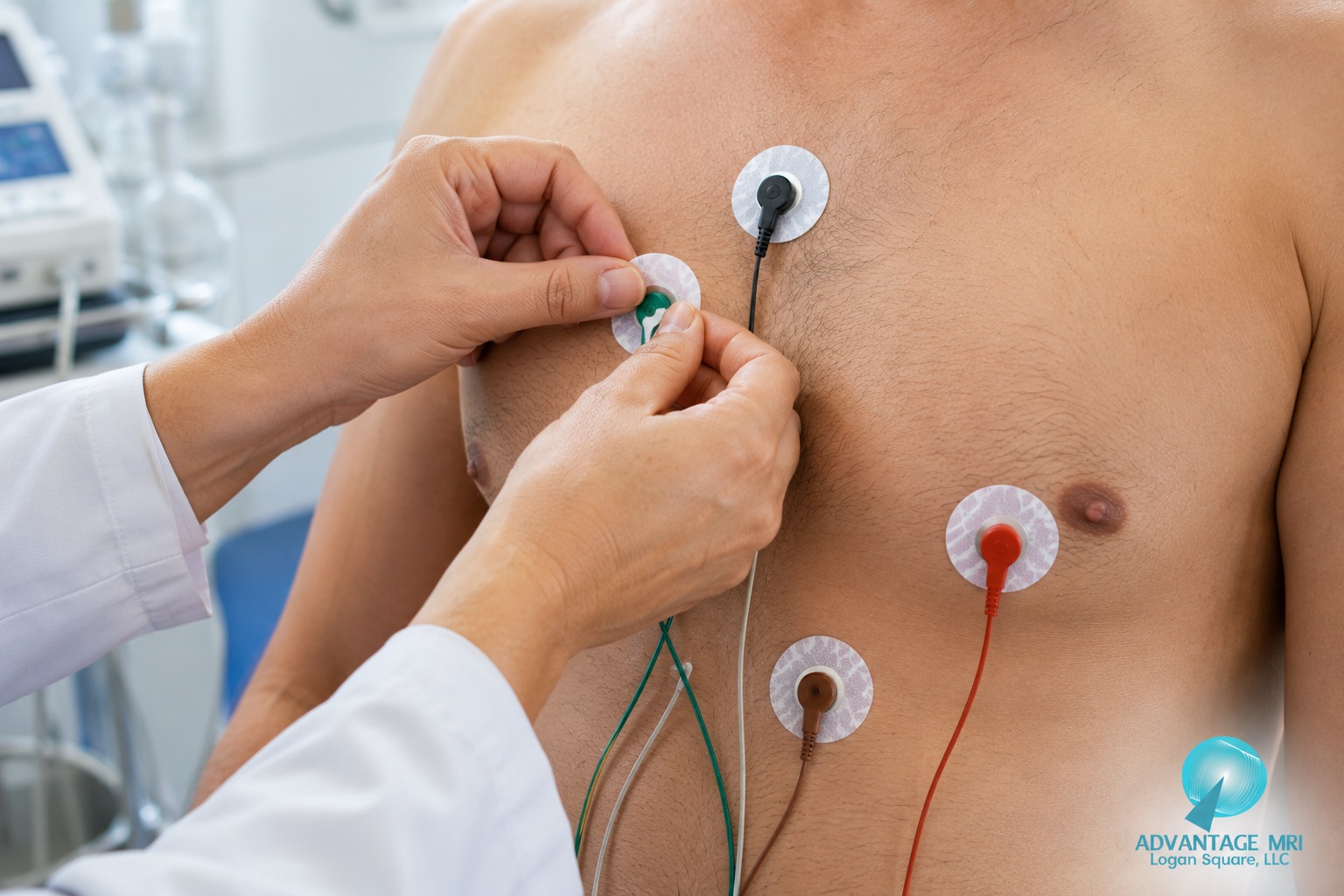
What Is a Holter Monitor and Why Cost Matters
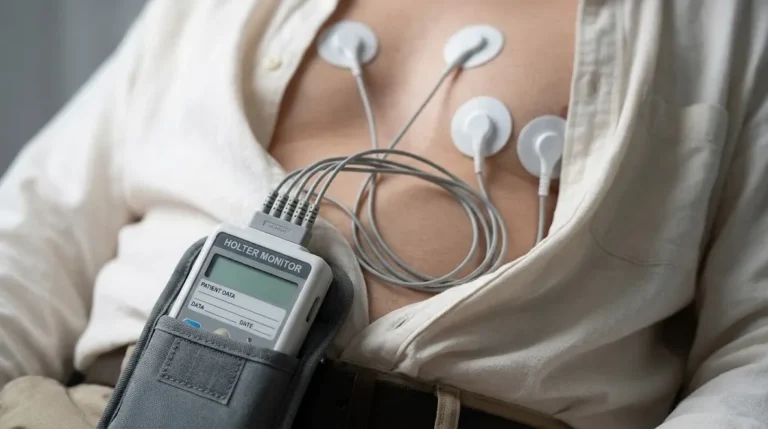
A holter monitor is a small portable device that records your heart’s electrical activity continuously while you go about your normal day. Think of it as a lightweight ECG that never stops watching. Instead of a single snapshot like a regular EKG in a doctor’s office it captures a rolling record of your heart rate and rhythm over hours or days.
Doctors order this test when they suspect something is happening between visits. Heart palpitations chest pain shortness of breath or an irregular pulse that does not show up during a short office EKG are common reasons. A one time reading might miss it. Continuous ECG monitoring usually will not.
And that continuous piece is exactly why cost becomes a real question. A longer wear time and more advanced hardware naturally shift the price compared to a basic short term test.
How the Device Tracks Your Heart
The monitor connects to your chest through a few small electrode patches and thin wires or in some newer versions a single adhesive patch worn near your shoulder or waist. It records every heartbeat in real time and stores the data on the device itself. Once the test period ends you return the monitor and a cardiologist or trained provider reviews the recording for any signal of an abnormal rhythm.
| Monitor Type | Wear Location | Wear Time | Typical Use Case |
|---|---|---|---|
| Traditional wired holter | Chest with electrode leads | 24 to 48 hours | Daily or near daily symptoms |
| Patch style holter | Chest or shoulder adhesive patch | 7 to 14 days | Intermittent or unpredictable symptoms |
| Event monitor | Chest with button activated recording | Weeks to months | Rare symptoms needing patient triggered capture |
Holter Monitor Price Breakdown
Let’s talk numbers because that is really why you are here. Holter monitor price varies quite a bit depending on where you live who your provider is and whether insurance is involved at all.
Cost Without Insurance
Paying out of pocket for a standard 24 to 48 hour holter monitor test typically runs somewhere in the low hundreds of dollars depending on the facility. Hospital based testing tends to cost more than an independent diagnostic imaging center because hospitals often add separate facility fees on top of the device and reading fee.
Cost With Insurance and Copay Ranges
If you have insurance your holter monitor cost is usually reduced to a copay or coinsurance amount instead of the full price. Many plans classify this test under cardiac diagnostics so your specific plan details deductible status and whether the provider is in network all play a role in your final bill.
| Scenario | Typical Cost Range |
|---|---|
| Out of pocket 24 to 48 hour test | Low hundreds of dollars |
| With insurance after deductible met | Copay only often much lower |
| High deductible plan not yet met | Closer to full out of pocket price |
| 7 day extended monitor | Moderately higher than 48 hour test |
| 14 day extended monitor | Highest of the standard options |
Table suggestion: This pricing table works well directly under this heading as a quick reference before the reader continues to the extended test sections.

7 Day Holter Monitor Cost vs 24 to 48 Hour Test
A 7 day holter monitor cost is generally higher than the shorter version and that makes sense once you think about what is involved. The device has to run continuously for a full week which means more battery life more data storage and more time spent by a cardiologist reviewing the extended recording afterward.
Why Longer Monitoring Costs More
Longer wear time means more continuous ECG data to process. That takes more review time on the back end which is part of what you are paying for along with the device itself. It is not just a bigger number for no reason. There is real added work behind it.
When Your Doctor Recommends 7 Days
If your symptoms are intermittent meaning they show up every few days rather than daily a 48 hour window might miss the event entirely. A 7 day monitor gives your doctor a much better shot at catching an irregular heartbeat episode chest pain event or unexplained shortness of breath in real time.
| Test Length | Best For | Relative Cost |
|---|---|---|
| 24 to 48 hours | Daily or near daily symptoms | Lowest |
| 7 days | Symptoms every few days | Moderate |
| 14 days | Rare or unpredictable symptoms | Highest |
14 Day Holter Monitor Cost Explained
A 14 day holter monitor cost sits at the higher end of the pricing spectrum among standard ambulatory monitoring options. Two full weeks of continuous recording requires a device built for extended wear along with a battery that can handle that stretch without needing a swap.
What Affects the Higher Price
The extended timeframe means more stored data more provider review time and often a more advanced patch style device compared to the basic wired version. All of that adds up on the pricing side.
Extended Wear Device Features
Modern 14 day monitors are often built as waterproof or water resistant patches so you can shower without worry. Many are lightweight enough that you forget you are wearing one after the first day or two. Some even sync with an app for basic activity tracking though the medical grade data still gets reviewed separately by a provider.
What Affects Holter Monitor Pricing
A few different pieces come together to shape your final holter monitor cost and honestly none of them are things you have direct control over as a patient.
Insurance and billing codes matter a lot here. Cardiac monitoring tests get billed under specific medical codes and how your insurer processes those codes changes what you owe. Facility fees versus device fees are another factor since a hospital setting often bundles in extra charges that an independent imaging center does not.
Where you actually get tested plays a role too. A hospital cardiology department a standalone clinic and a dedicated diagnostic imaging facility can all price the exact same test differently even though the device and the data collected are basically identical.
Insurance Coverage and Out of Pocket Tips
Most major insurance plans do cover holter monitor testing when a doctor orders it for a documented medical reason like heart palpitations or suspected arrhythmia. That said coverage details vary plan to plan.
A few questions worth asking your insurer before your appointment:
Is the testing facility in network. What is my current deductible status for the year. Does my plan require prior authorization for ambulatory ECG monitoring. And will the professional reading fee be billed separately from the device fee.
At Advantage MRI our team helps patients understand billing before the test happens rather than after a confusing statement shows up in the mail. That kind of upfront clarity tends to save people a lot of stress later.
What Happens During and After the Test
Wearing a holter monitor is honestly pretty simple once you get past the first hour of noticing it is there. You go about your regular day work errands light activity and the device just keeps recording in the background.
Wearing the Monitor Day to Day
You will usually keep a small log of symptoms noting the time if you feel chest pain palpitations or shortness of breath during the wear period. This helps your cardiologist match your symptoms to what the device recorded at that exact moment. Depending on the model you may need to avoid full submersion in water though many patch style monitors today are water resistant enough for a normal shower.
Getting Your Results Reviewed by a Radiologist
Once the wear period ends you return the device and a board certified radiologist or cardiologist reviews the full ECG recording. At Advantage MRI results are reviewed by our team under the guidance of Dr Gregory T Goldstein MD a board certified diagnostic radiologist with a background in orthopedic and neurological imaging and the founder of MetisMD. His work with Connected RadiologySM reflects a broader approach to fast accurate diagnostic reporting which applies to cardiac monitoring review as well.
Why Choose Advantage MRI for Holter Monitoring
Advantage MRI is an ACR accredited diagnostic imaging center in the Hermosa neighborhood of Chicago. That accreditation from the American College of Radiology means our equipment and reporting standards meet a recognized national benchmark for quality.
Beyond the holter monitor itself we offer a full range of connected diagnostic services including EKG testing echocardiogram imaging and MRI imaging all under one roof. Fast scheduling and fast reporting are built into how we work because we know waiting on results is one of the harder parts of any medical test.
Frequently Asked Questions
How much does a holter monitor cost
A standard 24 to 48 hour holter monitor typically costs a few hundred dollars out of pocket though this drops significantly to a copay level with insurance coverage depending on your specific plan.
Is a holter monitor covered by insurance
In most cases yes when a doctor orders the test for a documented reason like suspected arrhythmia or unexplained heart palpitations. Coverage details still depend on your individual plan and deductible status.
What is the price difference between a 7 day and 14 day monitor
A 14 day holter monitor generally costs more than a 7 day version since it requires extended battery life more data storage and additional provider review time for the longer recording.
Why did my doctor order a holter monitor instead of a regular EKG
A regular EKG only captures a single moment in time. A holter monitor records continuously for days which gives your doctor a much better chance of catching an irregular heartbeat that only shows up occasionally.
Can I shower with a holter monitor on
Many modern patch style holter monitors are water resistant enough for a normal shower though older wired versions with external electrodes typically are not. Always follow the specific instructions given for your device.
How soon will I get my holter monitor results
Turnaround time varies by facility though Advantage MRI prioritizes fast reporting so patients are not left waiting longer than necessary for their cardiac monitoring results.
Does Advantage MRI accept insurance for holter monitor testing
Yes our team works with patients directly on insurance and billing questions before the test to help avoid confusion afterward. Reach out through our contact us page for specific plan questions.
What happens if my holter monitor comes back abnormal
An abnormal reading does not automatically mean a serious problem but it does mean your doctor will likely want a follow up conversation possibly along with additional testing like an echocardiogram to get a fuller picture of your heart health.
Is a holter monitor test painful
No the test itself is painless. The electrodes or patch simply stick to the skin and the device records passively. Some people notice minor skin irritation from the adhesive after extended wear.
How do I schedule a holter monitor test in Chicago
You can book an appointment directly with Advantage MRI in the Hermosa neighborhood or reach out through our contact us page with any questions beforehand.
Conclusion
Holter monitor cost is not one fixed number. It shifts based on test length insurance coverage and where you get tested. But none of that should hold you back from getting a real answer about your heart health if your doctor thinks continuous monitoring is worth it. A clear conversation with your provider and a quick call to your insurer usually clears up most of the guesswork before your appointment even starts.
If you are also weighing other diagnostic options our ultrasound nerve conduction study digital x ray and EMG testing services are all available at the same Chicago location. You can also learn more about our team and how our diagnostic approach works before you come in.
Contact Us
- Address: 2008 N Pulaski Rd Chicago IL 60639
- Phone: (773) 227 9777
- Email: info@advantagemri.org
Follow us on social media for the latest health tips diagnostic imaging updates and clinic news: Facebook | Instagram | LinkedIn.
For reliable advanced diagnostic imaging you can trust call Advantage MRI today or schedule your holter monitor test online.