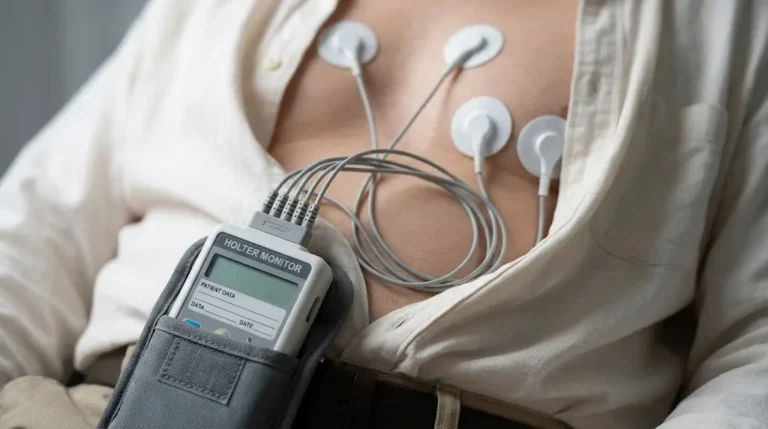
Health & Imaging
How to Prepare for an EMG Test: Medications, Clothing and the Needle Question
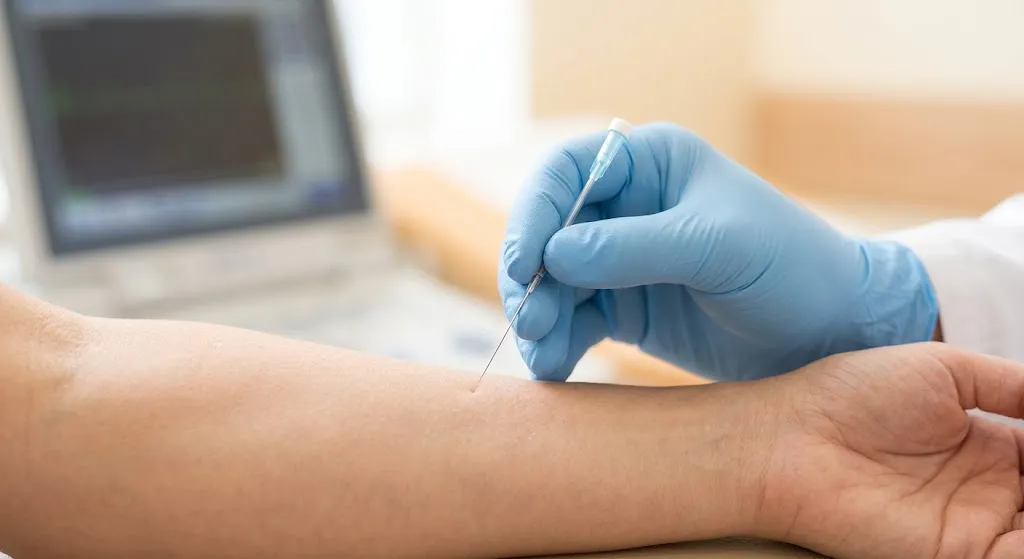
Quick answer: EMG test preparation includes taking steps like showering and skipping all lotions, oils and creams on the day of the test, wearing loose clothing that lets the arms or legs being tested be uncovered easily, keeping your hands and feet warm, and bringing a full list of medications. You can usually eat normally and take your regular medicines. Tell the team ahead of time if you take blood thinners, have a pacemaker or defibrillator, have lymphedema, or have a bleeding disorder. Don’t stop any medication unless your doctor tells you to. The needle part uses a very thin, solid needle electrode, not an injection, and most people describe it as a pinch or deep ache that’s uncomfortable but manageable.
This guide covers everything to do the day before, the day of, and after your EMG, plus an honest look at how the needle portion is done and what it feels like.
What Is an EMG Test?
An EMG (electromyography) visit usually includes two parts:
Need to Schedule a Diagnostic Appointment?
Whether you need an MRI, ultrasound, X-ray, or another diagnostic service, Advantage MRI is here to help you take the next step in your healthcare journey.
Submit your appointment request online, and our team will contact you to confirm your visit.
Book Your Appointment →- Nerve conduction study (NCS): Stickers are placed on your skin, and short electrical pulses stimulate the nerve to measure how fast and how strongly signals travel.
- Needle EMG: A thin needle electrode records electrical activity inside selected muscles while they rest and while you gently tighten them.
These tests help diagnose conditions such as carpal tunnel syndrome, pinched nerves in the neck or back, peripheral neuropathy and muscle diseases. To understand what the results can reveal, read What Does an EMG Test Show?
EMG Test Preparation Checklist
The Day Before
- Confirm your appointment time and location, and ask how long to plan for.
- Check with your doctor about medications, especially blood thinners. Don’t stop anything on your own.
- Plan your outfit: loose, comfortable clothing.
- Gather documents: ID, insurance card, referral or order, and any previous EMG or imaging reports.
- Write down your symptoms: where, when they started, and what makes them better or worse.
The Day of the Test
- Shower or bathe to remove natural skin oils.
- Don’t apply lotion, cream, oil, sunscreen or powder to your arms, legs, hands or feet.
- Eat normally unless told otherwise. Low blood sugar can make you feel lightheaded.
- Take your usual medications unless your doctor gave other instructions.
- Remove rings, bracelets and watches from the limb being tested, or leave them at home.
- Dress warmly if it’s cold outside. Cold hands and feet can affect results.
- Arrive early to fill out paperwork and warm up.
Why No Lotion Before an EMG?
Lotion, oil and cream create a barrier between the skin and the surface electrodes used during the nerve conduction study. That can weaken the recorded signal, create electrical “noise,” and make the stickers slide or fall off. Clean, dry skin gives the most accurate readings and helps the test move faster.
What to Wear for an EMG Test
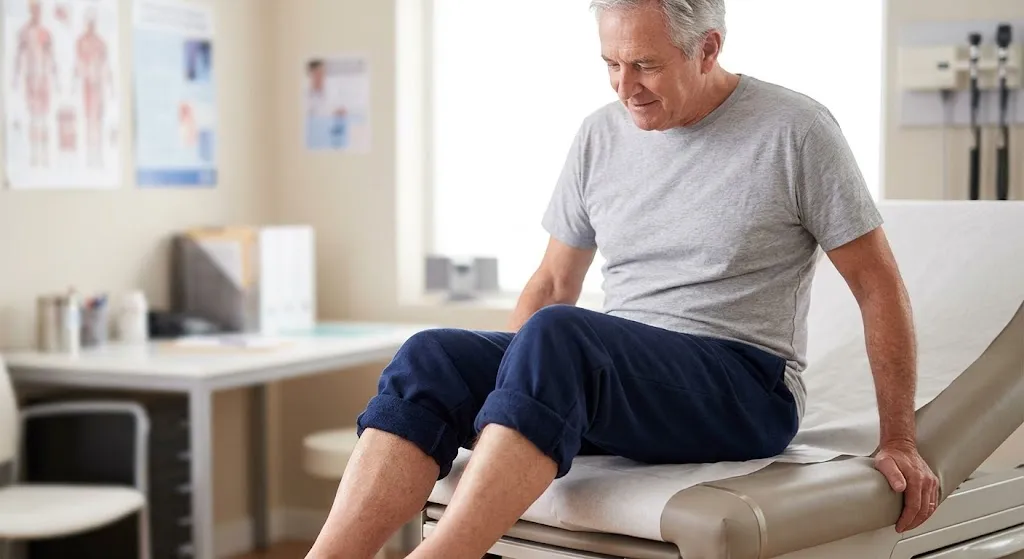
The nerves and muscles being tested need to be accessible from the fingers or toes up to the shoulder or hip, and sometimes along the neck or back.
Good choices:
- A short-sleeved or loose-sleeved top for arm testing
- Loose pants that roll above the knee, or shorts, for leg testing
- A two-piece outfit so you can change only what’s needed
Avoid:
- Tight sleeves or skinny jeans
- One-piece outfits
- Compression garments on the tested limb, unless instructed otherwise
- Bulky jewelry
You may be asked to change into a gown, especially if back or neck muscles are tested.
Keep Your Hands and Feet Warm
Nerve signals travel more slowly in cold limbs. If your hands or feet are cold, the results may falsely suggest a nerve problem. Technicians often measure skin temperature and use warm packs or a warming device if needed. You can help by:
- Wearing gloves and warm socks on the way to the appointment
- Avoiding long waits outside in cold weather right before the test
- Telling the staff if your hands or feet feel cold
Medications and EMG Preparation
Take Most Medications as Usual
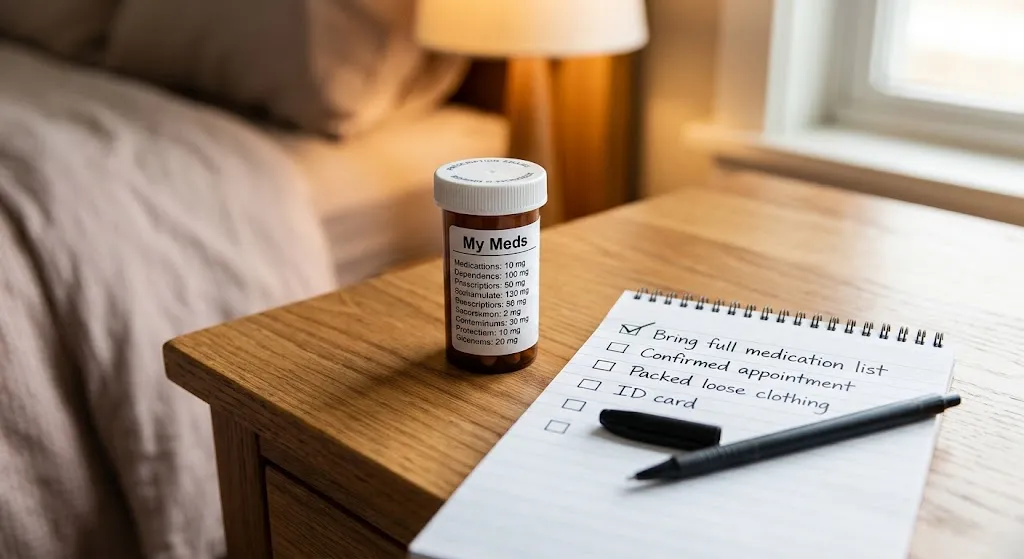
Pain medications, blood pressure medications, diabetes medications and most others are usually taken normally. Bring a complete list, including supplements.
Blood Thinners
If you take warfarin, apixaban, rivaroxaban, dabigatran, clopidogrel or similar medications, tell the EMG team and your prescribing doctor before the test. In most cases, these medications are not stopped for an EMG, and the physician may adjust the technique, for example by choosing certain muscles or applying extra pressure afterward. If you take warfarin, you may be asked about a recent INR value. Never stop a blood thinner without explicit instructions from the doctor who prescribed it. Stopping can raise your risk of stroke or clots.
Medications for Myasthenia Gravis
If you take pyridostigmine (Mestinon) or similar medications and testing for a neuromuscular junction disorder is planned, the physician may give you specific timing instructions. Follow them carefully.
Muscle Relaxants and Pain Medications
These are usually continued. Tell the physician what you take so they can interpret findings correctly.
Tell the Team About These Conditions
Let the scheduling staff and the physician know if you have:
- A pacemaker or implanted defibrillator. Nerve conduction studies are generally performed safely in people with these devices, but the team needs to know so they can take appropriate precautions.
- Lymphedema, or a history of lymph node removal, so they can avoid needle insertion in the affected limb when possible.
- A bleeding disorder such as hemophilia, or a low platelet count.
- Skin infections, open wounds or rashes on the limbs being tested.
- Recent surgery on the area being tested.
- Pregnancy.
- A tendency to faint with needles, so you can lie down and the staff can watch for it.
What Happens When You Arrive
Knowing the order of events helps the visit feel less unfamiliar:
- Check-in. Staff confirm your identity, insurance and referral.
- Health questions. You’ll be asked about medications, blood thinners, implanted devices, lymphedema and previous nerve testing.
- Symptom review. The physician asks where your symptoms are and what you’ve noticed. This decides which nerves and muscles to test, so be specific. For example, “numbness in my thumb, index and middle fingers that wakes me at night” guides the test far better than “my hand feels weird.”
- Brief exam. Strength, reflexes and sensation may be checked.
- Consent. The physician explains the procedure, and you can ask questions.
- Testing. Nerve conduction first, then needle EMG in most cases.
Bring Previous Reports and Imaging
If you’ve had an MRI of the neck or back, a previous EMG, or blood tests for neuropathy, bring the reports or ask your doctor to send them. Prior results help the physician focus the study, compare findings over time and explain how your EMG fits with other tests. If your MRI was done at Advantage MRI, our team can help coordinate.
Preparing If You Have Needle Anxiety
Fear of needles is common and nothing to be embarrassed about. Some practical steps:
- Say so at check-in. The physician can explain each insertion before it happens and pause between muscles.
- Lie down for the needle portion if you’ve ever felt faint with needles.
- Look away and focus on a fixed point or slow breathing.
- Ask how many muscles will be tested so the end is in sight.
- Bring headphones for calming music during the nerve conduction portion, if allowed. (You’ll need to listen to instructions during the needle part.)
Numbing cream is not typically used, because it can affect the skin and doesn’t reach the muscle, where most of the sensation comes from.
Preparing If You Have Diabetes or Neuropathy
People with diabetes often have nerve testing to evaluate numbness or burning in the feet. Eat and take your diabetes medications as usual so your blood sugar stays steady. Feet that are cold or swollen can be harder to test, so wear warm socks and comfortable shoes that are easy to remove. Let the staff know about any foot wounds or areas of fragile skin.
Preparing for Neck or Back Muscle Testing
If your symptoms suggest a pinched nerve in the neck or lower back, the physician may test muscles alongside the spine (paraspinal muscles) in addition to the arm or leg. For this part, you’ll usually lie on your stomach or side and may need to change into a gown that opens in the back. Wear clothing that’s easy to remove, and let the team know if lying on your stomach is difficult, for example because of pregnancy, breathing problems or pain. They can adjust positioning.
How Is an EMG Test Done? Step by Step
Part 1: Nerve Conduction Study
- You lie on an exam table or sit comfortably.
- The technician or physician measures skin temperature and warms the limb if needed.
- Small sticky electrodes are placed on the skin over a muscle or nerve.
- A handheld stimulator delivers brief electrical pulses at different points along the nerve.
- The machine records how quickly and how strongly the signal arrives.
- This repeats for each nerve being tested.
The pulses feel like quick taps, snaps or a static shock. They may make your finger or toe twitch briefly. The intensity is increased gradually. For more detail, see does a nerve conduction study hurt?
Part 2: Needle EMG
- The physician cleans the skin over a muscle.
- A thin needle electrode is inserted into the muscle.
- The physician listens to and watches the muscle’s electrical activity while you rest.
- You’re asked to gently tighten the muscle, for example by bending your elbow or pressing your foot down, while activity is recorded.
- The needle may be moved slightly within the muscle to sample different spots.
- The process repeats in several muscles chosen based on your symptoms.
You’ll hear crackling or popping sounds from the machine’s speaker. That’s the sound of muscle electrical activity, and it helps the physician interpret findings.
The Needle Question: What Does an EMG Needle Test Feel Like?
What Kind of Needle Is It?
The EMG needle is very thin, similar in width to an acupuncture needle or a small insulin needle. It’s a recording electrode, which means:
- Nothing is injected into your body.
- No electricity is sent through the needle during the standard needle exam.
- It’s a single-use, sterile needle.
Is the Arm Needle EMG Test Painful?
It varies by person and by muscle. Most people describe it as:
- A brief pinch when the needle goes in
- A dull ache or cramp-like feeling when tightening the muscle with the needle in place
- More noticeable in certain muscles, such as small hand muscles
Many people find it uncomfortable but tolerable, and discomfort usually stops as soon as the needle comes out. Some muscles in the arm, especially in the hand, can be more sensitive than larger muscles in the forearm or upper arm. If something hurts too much, tell the physician. They can pause, adjust, or explain what’s left.
Tips to Reduce Discomfort
- Relax completely when asked to rest. Tense muscles make the test more uncomfortable and the recording harder to read.
- Breathe slowly through the needle insertion.
- Ask how many muscles are left so you know what to expect.
- Tell the physician if you’re anxious. Knowing each step in advance helps.
- Ask about over-the-counter pain relief for afterward, if appropriate for you.
How Long Does an EMG Take?
Most EMG and nerve conduction appointments take about 30 to 90 minutes, depending on how many limbs, nerves and muscles are tested. A single-arm carpal tunnel evaluation is usually shorter than testing both legs for neuropathy. See how long an EMG test takes.
After the Test: What to Expect
- Mild soreness in tested muscles for a day or two is common.
- Small bruises at needle sites can appear, especially if you take blood thinners.
- You can usually drive and return to normal activity right away.
- Use an ice pack on sore spots if helpful.
- Contact your doctor if you notice significant swelling, increasing pain, signs of infection (redness, warmth, pus) or bleeding that doesn’t stop.
For more on soreness after testing, read does an EMG test hurt? Pain, side effects and what to expect afterwards.
Questions to Ask Before Your EMG
- Which nerves and muscles will be tested, and why?
- Should I continue all my medications, including blood thinners?
- How long should I plan for?
- Will I get any results today, or will they go to my doctor?
- Is there anything I shouldn’t do afterward?
- What is my expected out-of-pocket cost? See our EMG test cost guide.
EMG and Nerve Conduction Testing at Advantage MRI
Advantage MRI provides EMG testing and nerve conduction studies at 2008 N Pulaski Rd, Chicago, IL 60639. If you’re being evaluated for symptoms such as hand numbness from possible carpal tunnel syndrome, our team can explain preparation when you schedule. If you’d like to understand how the two parts of the test differ, read EMG vs nerve conduction study.
We welcome insured, out-of-network and self-pay patients. Have questions before your test? Contact us.
Frequently Asked Questions
Can I eat before an EMG test?
Yes. There’s usually no need to fast. Eating normally can help prevent lightheadedness.
Should I stop taking blood thinners before an EMG?
Usually no. Tell the EMG team and your prescribing doctor, but don’t stop any blood thinner unless the prescribing doctor specifically tells you to.
Why can’t I wear lotion before an EMG?
Lotion interferes with the surface electrodes, weakening the signal and making stickers slip. Clean, dry skin gives accurate results.
What should I wear to an EMG?
Loose, comfortable two-piece clothing that lets the tested arms or legs be uncovered easily. Leave jewelry at home.
Is the EMG needle like a shot?
No. Nothing is injected. The thin needle is a recording electrode that picks up electrical activity in the muscle.
Does an arm EMG hurt more than a leg EMG?
It depends on the muscles tested. Small hand muscles can be more sensitive, but many people find both arm and leg testing tolerable.
Can I drive after an EMG?
Usually yes. EMG doesn’t require sedation, so most people drive themselves home.
Conclusion
Preparing for an EMG is simple: clean skin with no lotion, loose clothing, warm hands and feet, normal meals, and a complete medication list. Tell the team about blood thinners, pacemakers, lymphedema and bleeding disorders ahead of time, and never stop a medication on your own. The needle part uses a thin recording electrode, not an injection, and while it can be uncomfortable, it’s brief and the physician can pause whenever you need. Good preparation leads to clearer results and a smoother visit.
Ready to schedule your EMG in Chicago? Book an appointment at Advantage MRI or call (773) 227-9777. Hours: Monday-Friday 9:00 AM-5:00 PM, Saturday 9:00 AM-1:00 PM. Follow us on Facebook and Instagram.