
What Is an Echocardiogram? Types, Procedure and What Your Results Mean

What is an echocardiogram? Quick answer: Often called an “echo,” it is an ultrasound of the heart that uses high-frequency sound waves, not radiation, to create real-time moving pictures of your heart. An echo shows the size and shape of your heart’s chambers, how thick the walls are, how well the heart pumps (ejection fraction), […]
What Is a Holter Monitor? Complete Patient Guide to 24-Hour Heart Monitoring
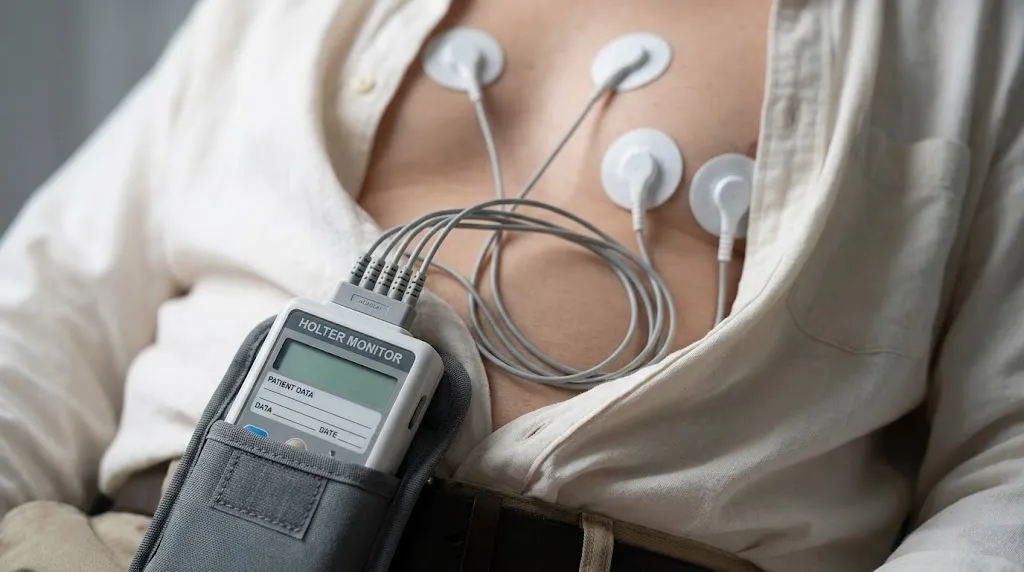
Quick answer: A Holter monitor is a small, battery-powered portable EKG that continuously records your heart’s electrical activity, usually for 24 to 48 hours, and sometimes for up to 14 days, while you go about your normal life. It consists of a few sticky electrodes on your chest connected by thin wires to a recorder […]
Holter Monitoring for Palpitations, PVCs and Arrhythmia: What It Catches

Quick answer: Using a holter monitor for palpitations is one of the most effective ways to find answers about an irregular heartbeat. It is a small, portable EKG recorder you wear for 24 to 48 hours (and sometimes up to 14 days) while going about your normal routine. It records every heartbeat, which makes it […]
Full-Body MRI Scan: Is It Worth It? Evidence, Costs and Limitations

Quick answer: A full body MRI scan is an elective screening exam that images most of the body, typically from head to pelvis or thighs, in about 30 to 60 minutes without radiation. It can occasionally find serious problems early, such as some tumors or aneurysms. However, major medical organizations do not currently recommend full-body […]
What Is an EKG Test? How It Works and What It Detects
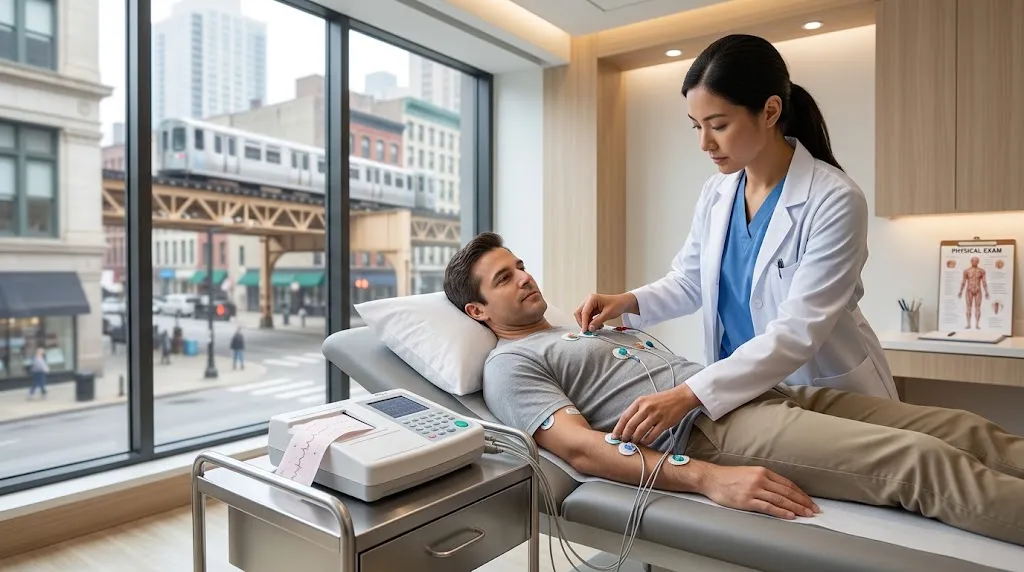
What is an EKG test? Quick answer: An EKG (electrocardiogram, also called an ECG) is a quick, painless test that records the electrical activity of your heart. Small sticky electrodes on your chest, arms and legs detect the tiny electrical signals that trigger each heartbeat, and a machine displays them as a wave pattern. A […]
How to Prepare for an EMG Test: Medications, Clothing and the Needle Question
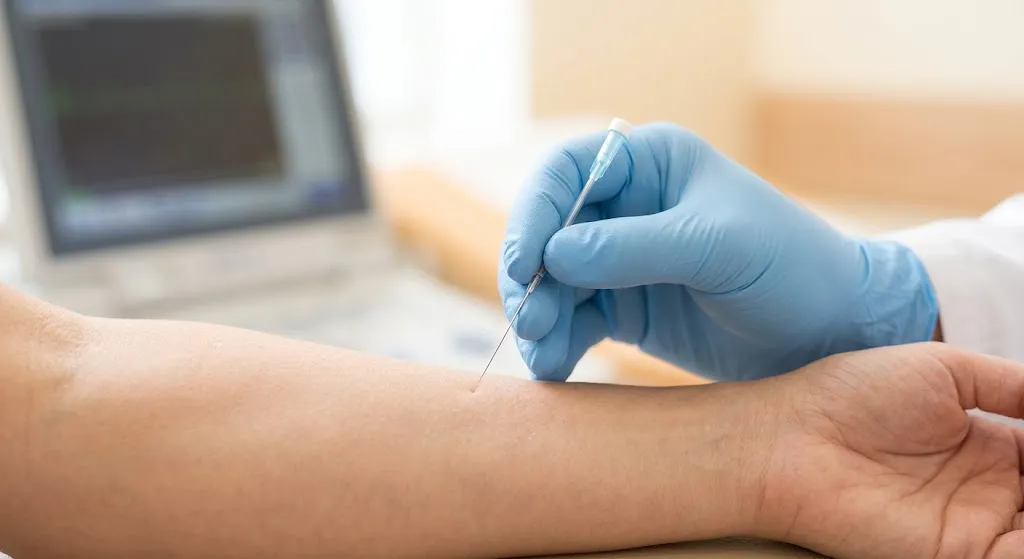
Quick answer: EMG test preparation includes taking steps like showering and skipping all lotions, oils and creams on the day of the test, wearing loose clothing that lets the arms or legs being tested be uncovered easily, keeping your hands and feet warm, and bringing a full list of medications. You can usually eat normally […]
How to Prepare for an EMG Test: Medications, Clothing and the Needle Question

Quick answer: Proper emg test preparation is essential for accurate results. To prepare for an EMG test, shower and skip all lotions, oils and creams on the day of the test, wear loose clothing that lets the arms or legs being tested be uncovered easily, keep your hands and feet warm, and bring a full […]
What Does an EMG Test Show? Conditions It Diagnoses and How to Read Results
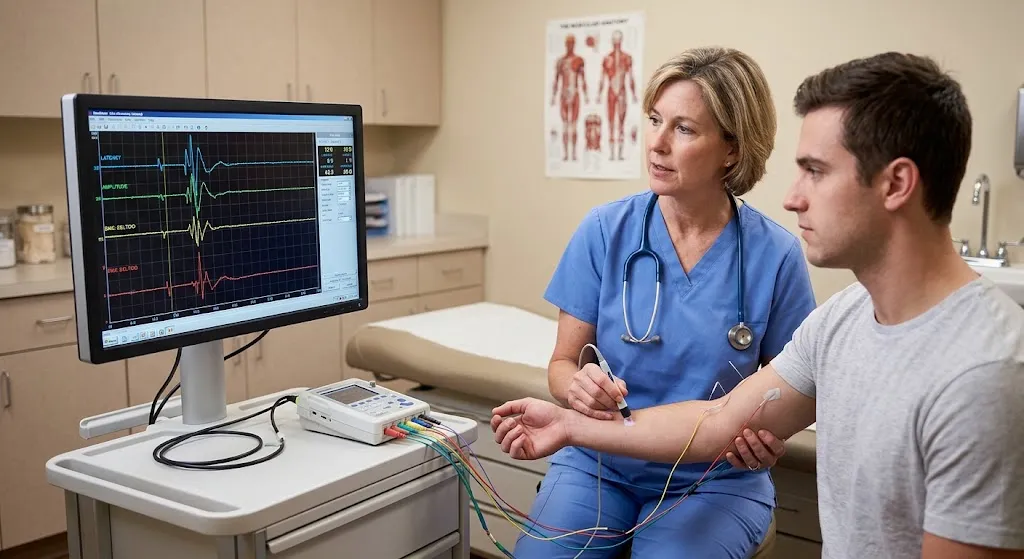
Quick answer: An EMG (electromyography) test shows how well your muscles and the nerves that control them are working. By recording the electrical activity of muscles at rest and during contraction, it helps doctors tell whether weakness, numbness, tingling or pain comes from a nerve problem (such as a pinched nerve in the neck or […]
How Is an Echocardiogram Done on a Woman? A Step-by-Step Walkthrough
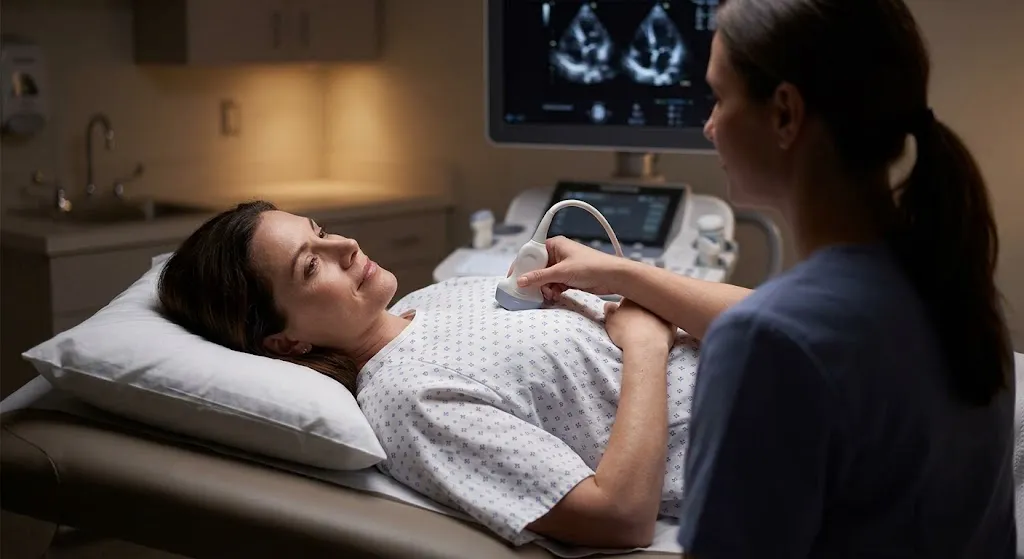
How is an echocardiogram done on a woman? A standard echocardiogram (transthoracic echo, or TTE) is done the same way for women as for men. You undress from the waist up, including your bra, and put on a gown that opens in the front. You lie mostly on your left side while a trained sonographer […]
MRI vs X-Ray: Which Imaging Test Does Your Injury Actually Need?
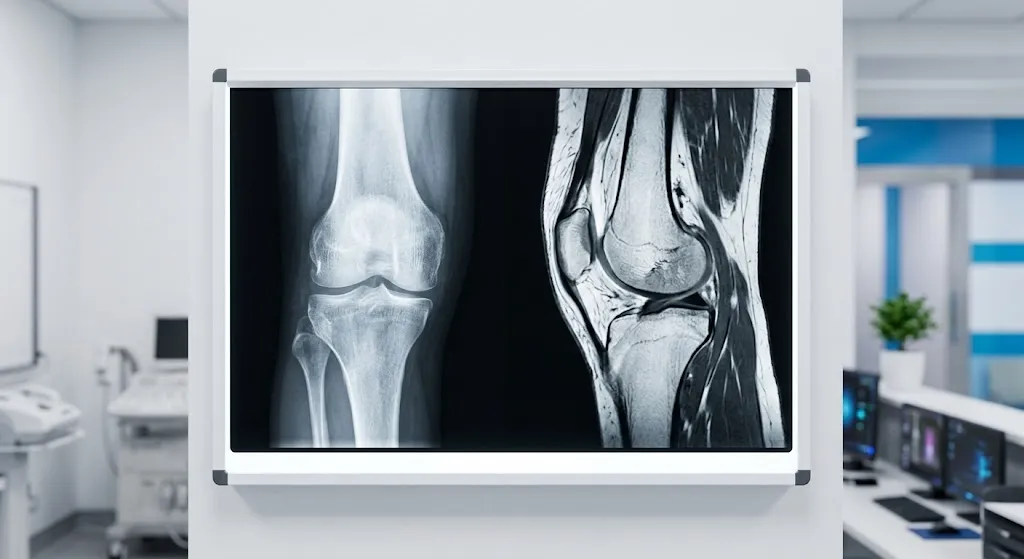
When comparing mri vs x ray, a quick answer is that an X-ray is a fast, low-cost test that’s best for looking at bones: fractures, dislocations, arthritis and alignment. It takes minutes and uses a small dose of radiation. An MRI uses magnets and radio waves, with no radiation, to show soft tissues in detail: […]