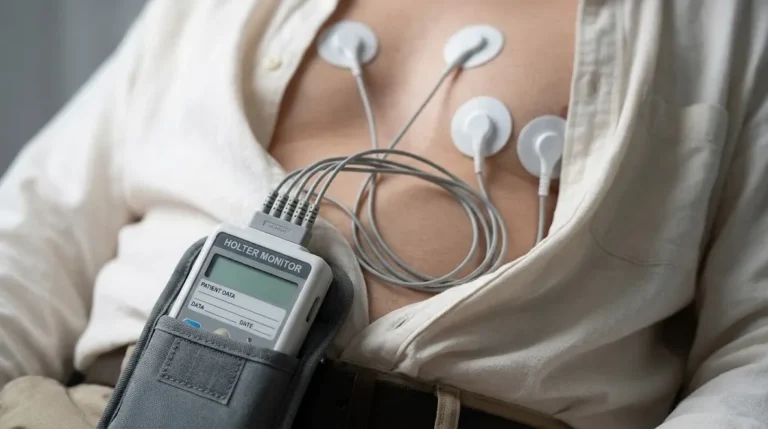
Health & Imaging
Holter Monitor Side Effects You Should Know Before You Wear One
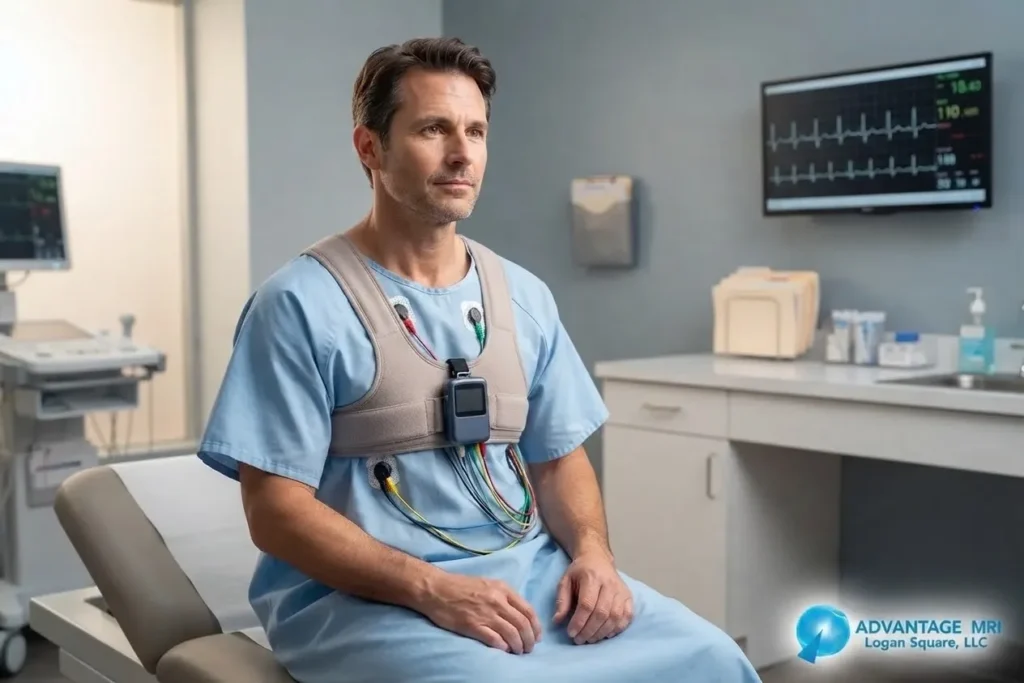
If your doctor just told you that you need a holter monitor your first question is probably a simple one. What is this thing going to do to me. That is a fair question and honestly a pretty common one. Most people who wear a holter monitor for the first time feel a little nervous about it and that is normal too.
Here is the thing. A holter monitor is not a scary device. It is a small recording device that tracks your heart’s electrical activity while you go about your day. It does not shock you it does not hurt you and for most people the side effects are mild and short lived. That said there are a few things worth knowing before the electrodes go on your chest.
This article walks through what a holter monitor actually does why a cardiologist might order one and the real side effects people report during and after the test. We will also cover what to avoid while wearing it and when a symptom is worth calling your doctor about.
Need to Schedule a Diagnostic Appointment?
Whether you need an MRI, ultrasound, X-ray, or another diagnostic service, Advantage MRI is here to help you take the next step in your healthcare journey.
Submit your appointment request online, and our team will contact you to confirm your visit.
Book Your Appointment →Quick answer: Most holter monitor side effects are minor and involve the skin where the electrode patches sit. Things like itching redness or mild irritation are common. Serious problems are rare.
What Is a Holter Monitor and Why You Might Need One
A holter monitor is a small wearable device that records your heart rhythm continuously for a set period usually 24 to 48 hours. Unlike a standard EKG testing session that only captures a few seconds of your heart’s activity a holter monitor keeps recording while you eat sleep walk and go through your normal day. That longer window is exactly why doctors like it. Some heart rhythm problems come and go and a short EKG in the office might miss them completely.
How a Holter Monitor Test Works
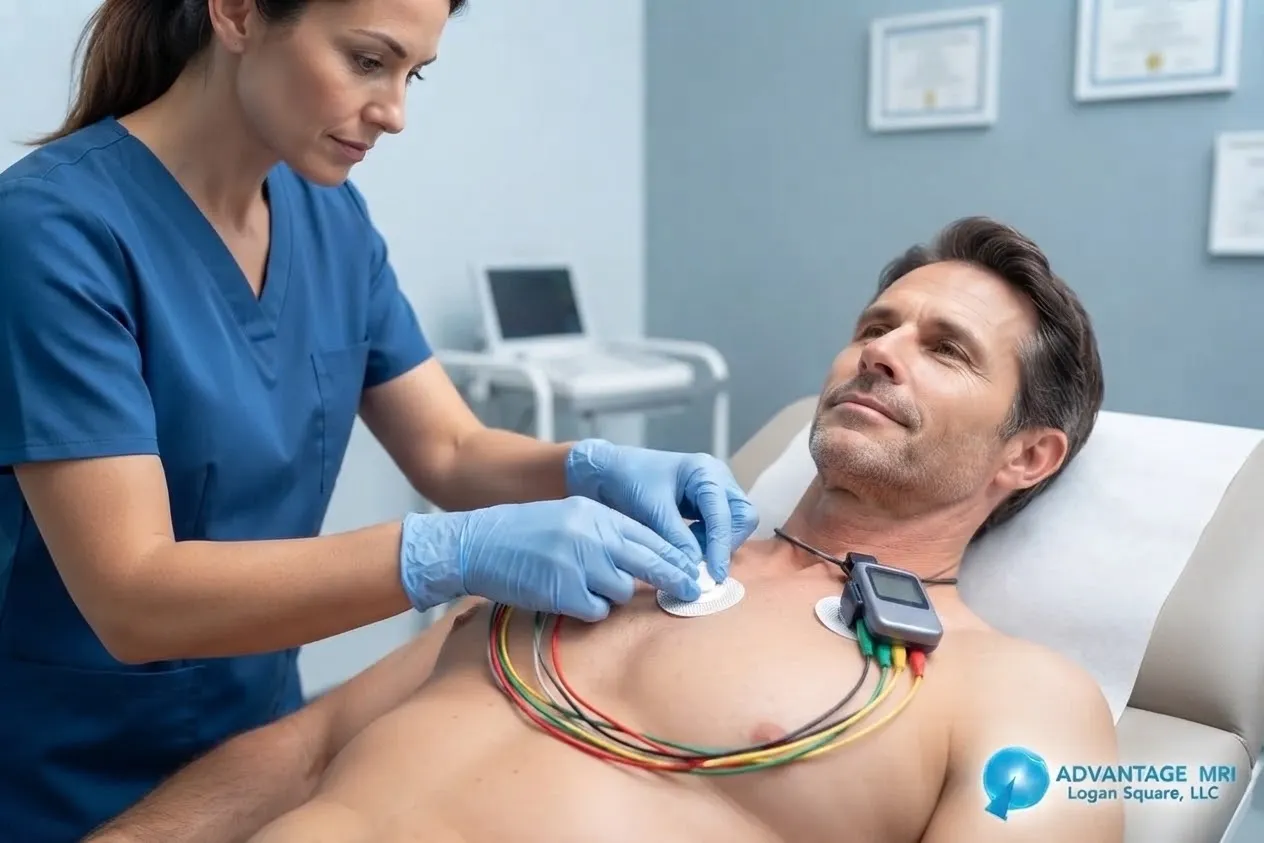
The setup itself is fast. A technician places several electrode patches on your chest and each patch connects to the recording device through a thin wire. In some cases the area may be shaved slightly so the patches stick better. Once everything is in place the monitor stays attached and quietly records your heart’s electrical activity the whole time you wear it.
You will likely be asked to keep a diary of your activities and symptoms during the test period. If you feel dizziness chest pain shortness of breath or palpitations you write down the time. That diary gets compared against the recording later so your cardiologist can match what your heart was doing to what you were feeling at that exact moment.
Common Reasons a Cardiologist Orders One
Doctors reach for a holter monitor when they suspect a heart rhythm problem that a regular EKG or a single office visit is unlikely to catch. It is also common after an abnormal stress test or when someone reports symptoms that come and go without warning.
| Reason for Testing | Symptom Reported |
|---|---|
| Suspected arrhythmia | Irregular heartbeat or skipped beats |
| Unexplained fainting | Sudden dizziness or lightheadedness |
| Palpitation follow up | Racing or fluttering heartbeat |
| Atrial fibrillation monitoring | Irregular rhythm episodes |
| Post treatment check | Confirming a heart rhythm treatment is working |
How Long Do You Wear a Holter Monitor
Standard 24 to 48 Hour Monitoring
For most patients a standard holter monitor test runs continuously for 24 to 48 hours. That window is usually enough to catch a rhythm problem that happens somewhat regularly and it gives your cardiologist a solid baseline for your average heart rate and rhythm patterns throughout a normal day and night.
Extended Monitoring Periods
Some patients need longer monitoring, especially if their symptoms are unpredictable. In those cases a healthcare provider might recommend an extended recording period or suggest an event monitor instead. An event monitor works a bit differently since it only records when you trigger it or when it detects something abnormal, which makes it useful for symptoms that show up less often. Your cardiologist will decide which option fits your specific health condition based on how frequently your symptoms occur.

Common Side Effects of a Holter Monitor
Let’s talk about what you are actually likely to feel. Most side effects from wearing a holter monitor come from the electrode patches themselves rather than anything happening internally. The device is not invasive and it does not send any electrical current into your body, it only reads what your heart is already doing.
Skin Irritation Where Electrodes Are Placed
This is the most reported side effect by far. The adhesive on electrode patches can irritate the skin especially if you wear the monitor for the full 48 hours or longer. Mild redness under the patches is common and usually fades within a day or two after the patches come off.
Itching or Redness Under the Patches
Along with irritation some people notice itching around the electrode sites. It tends to get more noticeable toward the end of the test period since the patches have been in place longer. Try not to scratch under the patches since that can loosen them or make the irritation worse.
Minor Discomfort or Awareness of the Device
A lot of people say they simply feel aware of the device, almost like wearing a small pack clipped to your waistband or shirt. It is not painful but it can feel a little odd during normal activities like bending over or lying down for the first night.
Sleep Disruption While Wearing It
Sleeping with wires and a small recording box attached to your chest takes some getting used to. Some patients report a slightly restless first night, though most say it becomes less noticeable by the second night.
| Side Effect | How Common | What to Do |
|---|---|---|
| Skin redness under patches | Common | Usually resolves within a day or two |
| Itching around electrode sites | Common | Avoid scratching, keep area dry |
| Awareness of the device | Common | Fades as you get used to it |
| Sleep disruption first night | Somewhat common | Usually improves by night two |
| Allergic reaction to adhesive | Rare | Contact your provider |
| Electrode falling off | Rare to occasional | Report to your healthcare provider |
Rare Risks of a Holter Monitor
Allergic Reaction to Adhesive
A small number of patients have a genuine allergic reaction to the adhesive used on electrode patches. Signs include significant swelling, blistering or a rash that spreads beyond the patch area. If this happens contact your healthcare provider right away rather than waiting out the test period.
Electrode Falling Off and Missed Readings
Sometimes a patch loosens or falls off during daily activities, especially with sweating or bumping the wires. This does not harm you but it can create a gap in your recording. If you notice a patch has come loose it is fine to press it back into place, though letting your provider know is a good idea if it happens more than once.
What to Avoid While the Holter Monitor Is Fitted
Water and Showering Restrictions
This is the one most people ask about first. You generally need to avoid swimming while wearing the monitor and you should avoid getting it wet during a shower or bath. A standard holter monitor is not designed to handle being submerged and getting the monitor wet can damage the recording or interrupt the electrical activity being captured.
Magnets and Electronics Nearby
Try to stay away from strong magnets and high voltage electrical wires while the monitor is on since these can interfere with the recording. Everyday electrical appliances at home are generally fine and will not disrupt the device.
Activities That Can Loosen Electrodes
Heavy sweating, vigorous exercise or activities that involve a lot of bending and stretching can loosen the electrode patches. You do not need to stop your normal activities entirely but it helps to be a bit more careful than usual until the test period ends.
How to Manage Side Effects During the Test
Keeping Skin Dry and Clean
Keeping the device dry and the skin around the patches clean makes a real difference in how comfortable the test feels. Pat the area gently if it gets damp from sweat and avoid applying lotions or oils near the electrodes since they can loosen the adhesive.
When to Call Your Cardiologist
Most side effects are mild enough to just wait out. That said, call your cardiologist or healthcare provider if you notice a spreading rash, significant swelling, chest pain that feels new or severe, fainting or symptoms of very low blood pressure like sudden weakness or lightheadedness. Those symptoms are worth a call regardless of how the monitor itself is behaving.
What Happens After the Holter Monitor Test
How Results Are Read
Once the test period ends you return the device and a cardiologist reviews the full recording. They are looking for patterns like an irregular heartbeat episode, atrial fibrillation, changes in average heart rate or anything that lines up with the symptoms you logged in your diary.
When You Will Hear Back
Turnaround time varies by provider, though most patients hear back from their cardiologist within a few business days once the results of your holter monitor have been reviewed. If your test reveals a heart rhythm problem your provider will talk through next steps, which might include further testing like an echocardiogram or a plan to treat heart rhythm issues directly.
Other Diagnostic Services at Advantage MRI
Advantage MRI in the Hermosa neighborhood of Chicago offers more than holter monitor testing. Depending on what your provider recommends you may also be referred for an ultrasound, a nerve conduction study, MRI imaging, digital x ray or EMG testing. Our team, led by board certified diagnostic radiologist Dr. Gregory T. Goldstein, works alongside referring physicians to keep imaging fast, accurate and easy to schedule. You can learn more about our approach on our about us page. If a holter monitor test has been ordered for you our staff can walk you through exactly what to expect.
This article is for general information only and is not a substitute for medical advice. Always follow the specific instructions given by your cardiologist or healthcare provider.
Frequently Asked Questions About Holter Monitor Side Effects
What is a holter monitor?
A holter monitor is a small wearable device that records your heart’s electrical activity continuously, usually for 24 to 48 hours, so a cardiologist can spot rhythm problems that a short office EKG might miss.
Is it normal for skin to itch under holter monitor patches?
Yes, mild itching and redness under the electrode patches is one of the most common side effects and usually fades within a day or two after the patches are removed.
Can I shower while wearing a holter monitor?
No, you should avoid getting the monitor wet during a shower or bath and you should avoid swimming while wearing it since water can damage the device or interrupt the recording.
What happens if a wire or patch comes loose?
If a patch comes loose you can press it back into place but let your healthcare provider know if it happens more than once so they can check whether the recording was affected.
Does a holter monitor hurt?
No, wearing a holter monitor does not hurt. Most people describe it as being aware of a small device rather than feeling any pain, since it only reads electrical activity and does not send any current into the body.
Can I sleep normally with a holter monitor on?
Most patients can sleep normally, though the first night may feel a bit different because of the wires and device. It typically becomes easier by the second night.
How long do you wear a holter monitor?
Most standard holter monitor tests run continuously for 24 to 48 hours, though your cardiologist may recommend a longer period depending on your symptoms.
Is a holter monitor test covered by insurance?
Coverage depends on your specific insurance plan and the reason your provider ordered the test. It is best to check directly with your insurance provider or contact our office to confirm coverage details.
What is the difference between a holter monitor and an event monitor?
A holter monitor records continuously for a set period like 24 to 48 hours, while an event monitor is typically worn longer and only records when you trigger it or when it detects an abnormal rhythm, making it better suited for symptoms that happen less often.
How soon will my cardiologist get results?
Most patients hear back from their cardiologist within a few business days after the monitor is returned and the recording has been fully reviewed.
Conclusion
A holter monitor is one of the more straightforward heart tests out there. The device itself is small, painless and designed to fit into your normal routine rather than interrupt it. The side effects most people run into, mild skin irritation, some itching or a bit of awareness that you are wearing something, tend to be minor and short lived. Serious risks like an allergic reaction to the adhesive are rare. Knowing what to expect ahead of time from keeping the monitor dry to logging your symptoms in a diary, makes the whole test period a lot easier to get through. If your cardiologist has recommended a holter monitor it is a sign they want a clear picture of your heart rhythm so they can help you sooner rather than later.
Contact Us
- Address: 2008 N Pulaski Rd, Chicago, IL 60639
- Phone: (773) 227 9777
- Website: advantagemri.org
For reliable, advanced diagnostic imaging you can trust, call Advantage MRI today or schedule your appointment online. Have questions before your test? Contact us and our team will walk you through what to expect.
Follow us on social media for the latest health tips, diagnostic imaging updates and clinic news: Facebook | Instagram | LinkedIn.