Health & Imaging
Restrictions While Wearing a Holter Monitor
If your cardiologist just handed you a holter monitor and sent you home with a small box taped to your chest you probably have questions. Can you shower? Can you sleep normally? What about your morning coffee or your evening glass of wine? Here’s the thing. The restrictions while wearing a holter monitor are not as scary as they sound and once you know them daily life gets pretty easy again.
This guide walks through what a holter monitor actually does why your doctor ordered one and every restriction you need to know so your test comes back with clean accurate results. We wrote this for patients here in Chicago and across the Hermosa neighborhood who are getting ready for a holter monitor test at Advantage MRI or anywhere else.
Quick answer: A holter monitor is a small wearable device that records your heart’s electrical activity for 24 to 48 hours sometimes longer. The main restrictions are no showering or swimming while it’s on keep it away from magnets and metal detectors avoid heavy sweating and don’t remove the electrodes on your own. Everything else in normal life stays mostly the same.
Need to Schedule a Diagnostic Appointment?
Whether you need an MRI, ultrasound, X-ray, or another diagnostic service, Advantage MRI is here to help you take the next step in your healthcare journey.
Submit your appointment request online, and our team will contact you to confirm your visit.
Book Your Appointment →What Is a Holter Monitor and How Does It Work
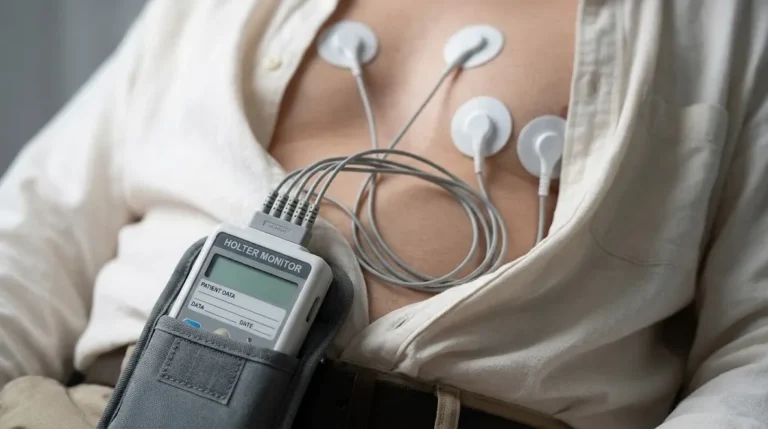
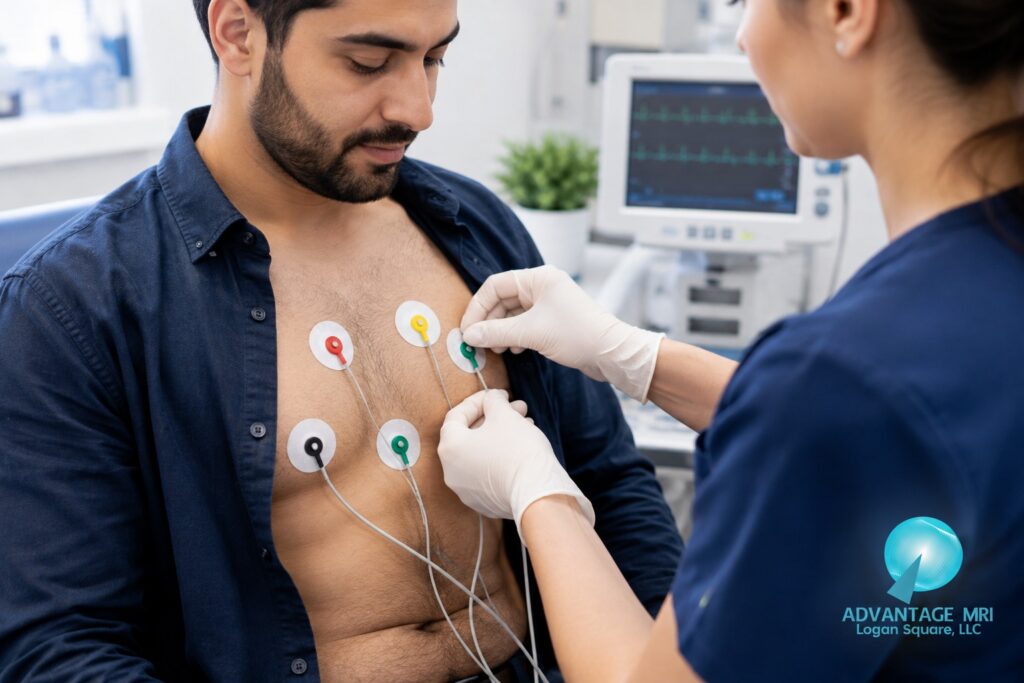
A holter monitor is a small portable ecg machine you wear on a strap or clipped to your waistband. Electrodes stick to your chest and wires run from those electrodes into the device. While you go about your day the monitor records your heart rhythm continuously instead of the few seconds you get during a regular office ekg.
That continuous recording is really the whole point and it works alongside other diagnostic tools like mri imaging when a fuller picture of your heart and body is needed. A standard ekg only captures a short snapshot. If your abnormal heart rhythm only shows up once in a while a short test might miss it completely. A holter monitor catches things that come and go like an irregular heartbeat a flutter or symptoms of atrial fibrillation that happen randomly during the day or night.
Why Your Cardiologist Ordered a Holter Monitoring Test
Doctors usually order this test after a patient reports palpitation dizziness chest pain or shortness of breath that doesn’t show up during a regular visit. It’s also common after a heart attack or when a doctor is checking how well a heart medication is working. The monitor gives your cardiologist real data from real life instead of a few minutes in an exam room and sometimes it’s ordered alongside an ultrasound for a broader look at how your heart and blood vessels are working.
How Long You Will Wear the Monitor
Most patients wear the holter monitor for 24 to 48 hours though some cases call for longer extended monitoring depending on what your cardiologist is looking for. The exact timeframe depends on your symptoms and how often they happen. Shorter monitoring periods work fine when symptoms are frequent. Less frequent symptoms sometimes need a longer window to catch anything useful.
Restrictions While Wearing a Holter Monitor
Now for the part everyone actually wants to know. What can and cannot you do once this thing is strapped to your chest. Below is a quick reference table followed by details on each major restriction.
Suggested table placement: insert a two column table here titled “Activity” and “Allowed or Not Allowed” listing showering swimming bathing exercise sleeping drinking alcohol caffeine wearing a bra using a phone and standing near magnets.
| Activity | Allowed or Not Allowed |
|---|---|
| Showering or bathing | Not allowed unless monitor is water resistant model |
| Swimming | Not allowed |
| Sleeping | Allowed with a few adjustments |
| Light exercise like walking | Allowed |
| Heavy sweating or intense workouts | Should be limited |
| Drinking coffee or alcohol | Generally allowed in moderation |
| Wearing a bra | Allowed with minor placement care |
| Using a cell phone | Allowed at a normal distance |
| Standing near strong magnets or metal detectors | Not allowed |
Can You Shower With a Holter Monitor
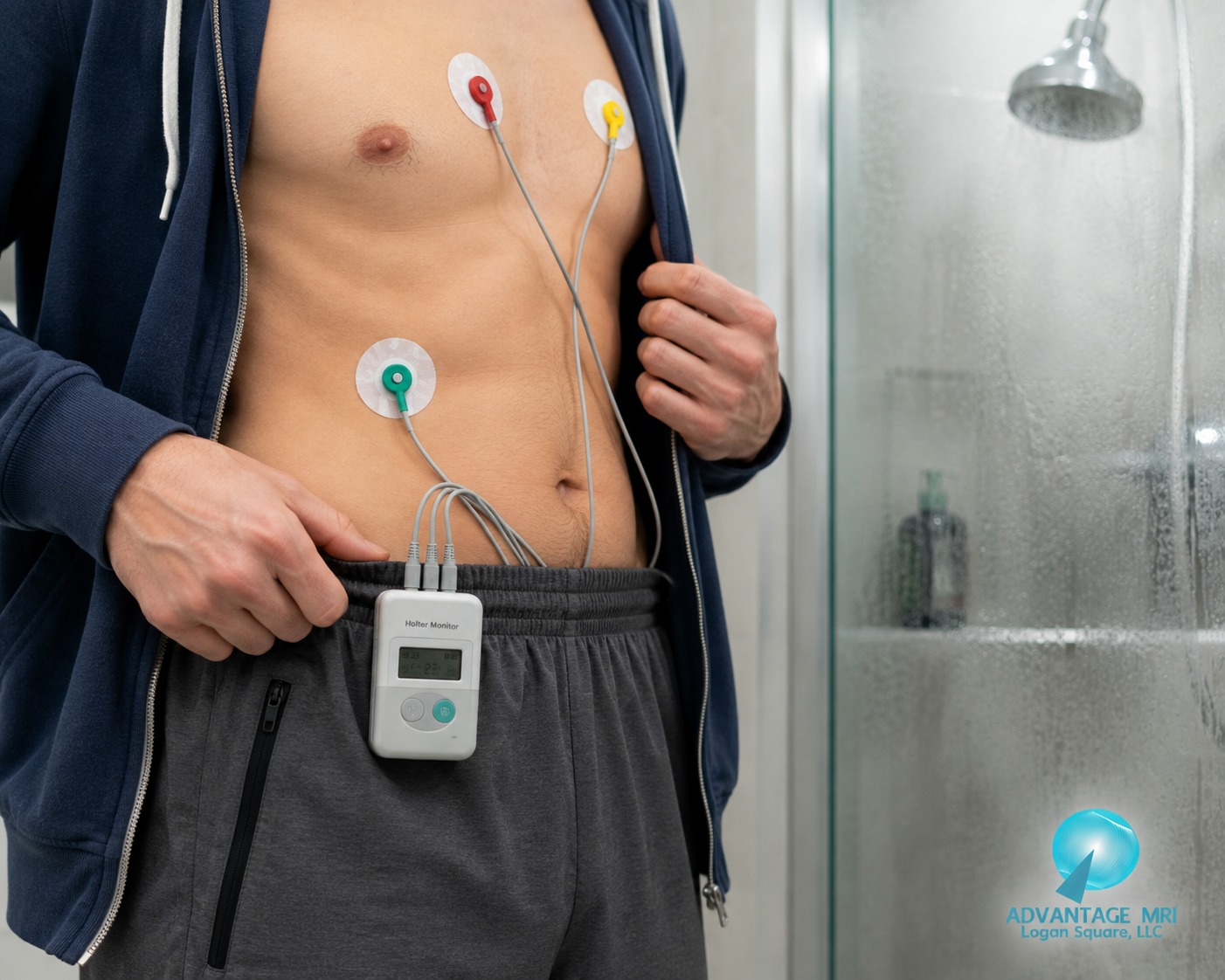
No in most cases you cannot shower with a standard holter monitor. Water can damage the recording device and it can also loosen the electrodes attached to your chest which throws off the whole test. If the electrodes lift even a little the machine records bad data or stops recording your heartbeat altogether.
Some newer holter monitors are water resistant and built for a quick rinse but you should never assume yours is one of them. Ask your provider before your monitoring period begins. If you are told your unit is not waterproof plan on sponge baths instead of a full shower until the device comes off.
Holter Monitor Shower Precautions and Waterproof Options
If a shower is unavoidable and your monitor is not waterproof there are a couple of workarounds patients use. A waterproof cover or plastic wrap taped securely around the device and electrodes can sometimes protect it for a very short rinse. Even then it’s risky and most cardiology offices will tell you to just wait it out.
The safest move is scheduling your test around days you can skip a full shower or arranging your monitoring period so it wraps up before you really need one. It’s a short window in the grand scheme of things. Most people manage just fine for a day or two.
Can You Drink While Wearing a Holter Monitor
Yes for the most part you can eat and drink normally while wearing a holter monitor. Coffee tea and other caffeinated drinks are fine unless your cardiologist told you otherwise for a specific reason related to your heart health. The same goes for alcohol in moderate amounts.
That said your cardiologist may ask you to log what you drink and when in your symptom diary. Caffeine and alcohol can both affect heart rhythm and your doctor wants to see if there’s a connection between what you consume and any irregular heartbeat the monitor picks up. So drink normally but write it down.
Can You Wear a Bra With a Holter Monitor
Yes you can wear a bra while wearing a holter monitor. The main thing to watch is making sure the band or wires from the monitor don’t press directly on the electrodes or pull them loose. Some patients find it more comfortable to wear the monitor strap over their bra or to choose a looser fitting bra during the monitoring period.
If an electrode sits right where an underwire or strap would normally rest you can usually shift the bra slightly without causing any problems. Just be gentle around the chest area and avoid tugging at the wires when you get dressed.
Sleeping With a Holter Monitor
Sleeping with a holter monitor takes a little getting used to but it’s not painful and most patients adjust within the first night.
Best Sleep Positions With the Device
Sleeping on your back is usually the most comfortable option since it keeps pressure off the electrodes and wires. Side sleepers can still sleep on their side just be mindful of which side the device sits on and try not to roll directly onto it. Stomach sleeping tends to be the trickiest position since it puts the most pressure on the chest area where the electrodes are attached.
Keep the device and electrodes in place by tucking the monitor into a pocket sewn into your sleepwear if one was provided or simply letting it rest beside you on the mattress. Some patients clip it to their waistband even at night so it doesn’t slide around.
Keeping Electrodes Attached Overnight
Nighttime is actually when electrodes come loose the most often just from normal tossing and turning. If you wake up and notice a wire has come unattached don’t panic. Gently reattach the electrode to the same spot if it’s still sticky or contact your monitoring provider for guidance. Do not try to move the electrode to a completely different location on your own.
Wearing a soft cotton undershirt beneath the wires can help keep everything snug through the night without adding any extra strain on the adhesive.
Physical Activity and Exercise Restrictions
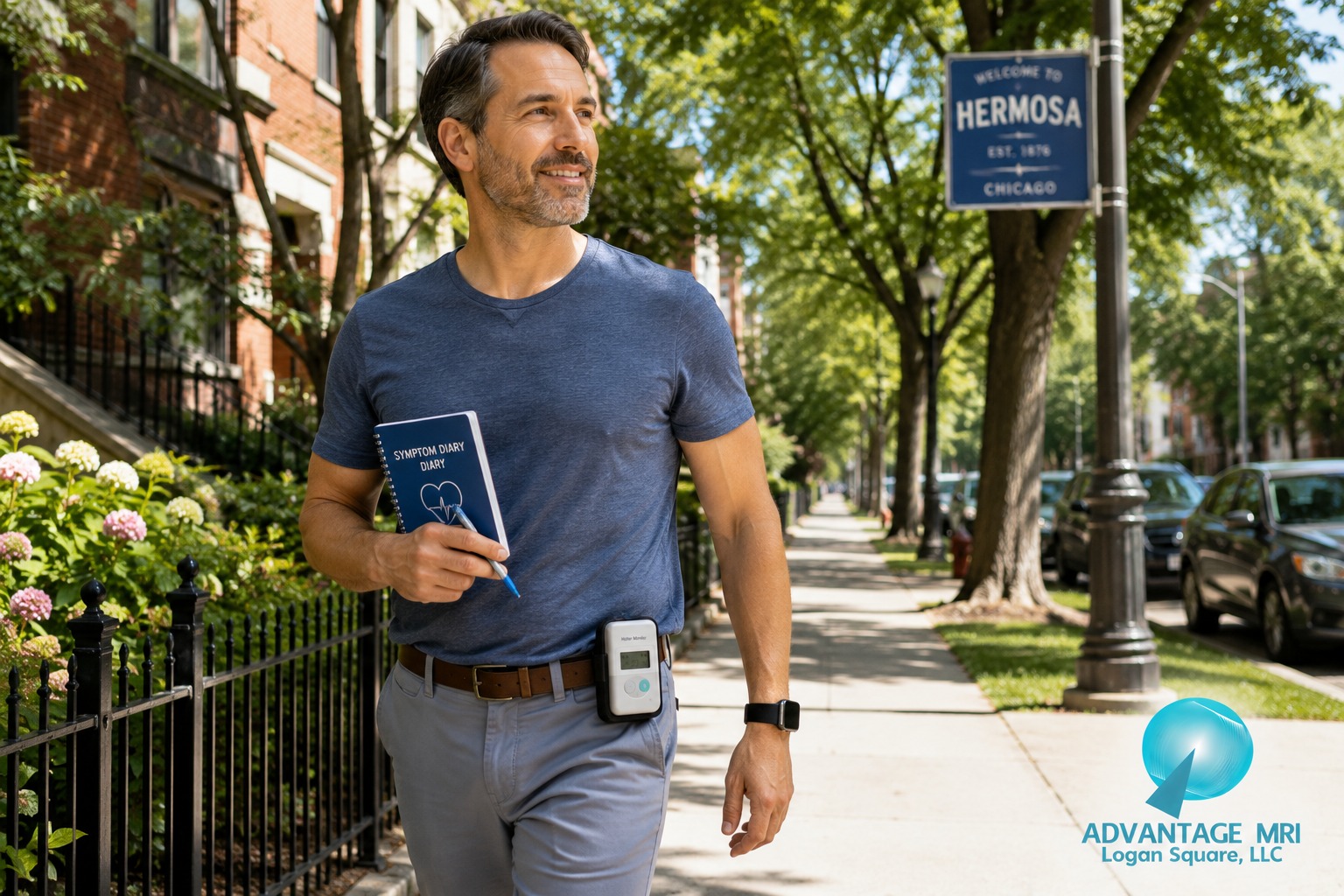
Normal daily activities are fine while you wear a holter monitor. Walking around the house going to work doing light chores and even a casual walk outside are all okay.
Light Activity vs Strenuous Exercise
Light activity is encouraged actually. Your cardiologist wants to see how your heart behaves during normal movement not just while you’re resting on the couch. Strenuous exercise is a different story. Intense workouts running heavy lifting or anything that causes a lot of sweating should be limited or avoided during your monitoring period.
Sweat is the enemy here. It breaks down the adhesive on the electrodes faster than almost anything else and once an electrode lifts your recording gets interrupted.
Sweating and Electrode Adhesion
If you know you’ll be active or the weather is warm dab the electrode edges lightly with a clean towel rather than wiping hard. Loose breathable clothing over the electrodes also helps reduce sweat buildup. And if an electrode does start peeling at the edge don’t pull it off. Press it back down gently and note the time in your diary in case your provider needs to know.
Electronics and Devices to Avoid
Certain electronics can interfere with the monitor’s ability to pick up an accurate signal so keeping some distance matters.
Cell Phones Magnets and Metal Detectors
Your phone is generally fine to use for calls and texting but it’s smart to keep it at least 6 inches away from the monitor itself rather than resting it directly on top of the device in your pocket. Strong magnets are a bigger concern. Things like certain speaker systems industrial equipment and some medical devices can throw off the recording.
Metal detectors at airports or security checkpoints can also interfere with a holter monitor so let security staff know you’re wearing one before you walk through. Most facilities will offer a manual pat down instead once you explain the situation.
Microwaves and Electric Blankets
Standing right next to a running microwave for long periods is worth avoiding just to be safe though brief exposure like reheating your lunch is not a major concern. Electric blankets and heating pads placed directly over the device area should also be avoided since the electrical current can interfere with recording quality.
Signs of Irregular Heartbeat to Track During Monitoring
Part of wearing the holter monitor is paying attention to your own body and writing down what you feel. This diary becomes a key piece of the puzzle when your cardiologist reviews the results.
Arrhythmia and Atrial Fibrillation Symptoms
Arrhythmia simply means an irregular heartbeat and it can feel different from person to person. Some people notice a racing heart others feel like their heart skipped a beat or paused for a second. Atrial fibrillation often feels like a quivering or chaotic rhythm in the chest sometimes paired with fatigue or shortness of breath.
Write down the time any of these feelings happen along with what you were doing at that moment. Were you resting climbing stairs or just waking up. That context matters a lot when your cardiologist reviews the recording against your diary entries later.
Heart Flutter and Palpitations
A flutter feels like a fast fluttering sensation in the chest almost like a bird beating its wings. Palpitations are a bit broader and can include pounding racing or skipping sensations. Neither one automatically means something is seriously wrong but both are worth logging since they help your cardiologist connect symptoms to what’s actually happening on the recording.
If you ever feel severe chest pain sudden dizziness or real trouble breathing that’s different from a mild flutter and it needs immediate medical attention rather than just a diary note. If your symptoms turn out to involve numbness or tingling alongside heart related issues your cardiologist may also refer you for a nerve conduction study to rule out a separate cause.
How to Prepare for a Holter Monitor Test
A little prep before your appointment makes the whole monitoring period smoother.
What to Wear
Loose fitting clothes with buttons or a zipper up the front make it much easier to get the monitor placed and to get dressed afterward without disturbing the electrodes. Skip tight fitting shirts sports bras with thick bands and anything that would rub directly across your chest.
Men with a lot of chest hair should know the area where electrodes attach may be shaved slightly so the adhesive sticks properly. It’s a quick step your technician handles during setup.
What to Bring to Your Appointment
Bring a list of your current medications since some can affect heart rhythm and your cardiologist will want that on record. It also helps to bring a small notebook or use your phone’s notes app to keep a symptom diary throughout the monitoring period. Some offices provide a printed diary sheet for you to fill in instead.
Plan your schedule around the monitoring window too. If you know you’ll need a shower a swim or a workout try to fit those in before the electrodes go on rather than during the test itself.
If your cardiologist also wants a look at your chest or lungs alongside your heart rhythm results Advantage MRI offers digital x ray imaging with fast turnaround. And for patients dealing with muscle or nerve symptoms on top of heart concerns our emg testing can help round out the full picture.
When to Contact Your Cardiologist During Monitoring
Most of the monitoring period runs smoothly with zero drama. Still there are times you should reach out to your care team before your scheduled follow up.
Contact your cardiologist right away if an electrode falls off completely and won’t restick if the monitor itself stops working or the screen shows an error if you experience chest pain that feels severe or different from your usual symptoms or if you have sudden severe shortness of breath. For anything that feels like a real emergency call 911 rather than waiting on a callback.
For less urgent questions like general restrictions or how to log a symptom your monitoring provider’s office can usually help over the phone.
This article is for general information only and is not a substitute for professional medical advice diagnosis or treatment. Always talk to your own cardiologist or healthcare provider about your specific situation.
FAQs
Can you shower with a holter monitor
Generally no. Standard holter monitors are not waterproof and water exposure can damage the device or loosen the electrodes attached to your chest. Some newer models are water resistant so check with your provider before assuming yours is one of them.
Can you drink alcohol while wearing a holter monitor
Yes in moderate amounts unless your cardiologist has told you otherwise. It’s a good idea to log what and when you drink in your symptom diary since caffeine and alcohol can sometimes affect heart rhythm.
Can you wear a bra with a holter monitor
Yes you can wear a bra during the monitoring period. Just make sure the band or straps don’t press directly on the electrodes or pull at the wires. A looser fitting bra is often more comfortable.
Is sleeping with a holter monitor uncomfortable
Most patients adjust within the first night. Sleeping on your back tends to be the easiest position and keeping the device tucked into a pocket or clipped to your waistband helps it stay in place while you sleep.
Can you exercise while wearing a holter monitor
Light activity like walking is fine and actually encouraged. Strenuous exercise that causes heavy sweating should be limited since sweat can loosen the electrode adhesive and interrupt your recording.
What restrictions come with wearing a holter monitor
The main restrictions while wearing a holter monitor include avoiding showers baths and swimming staying away from strong magnets and metal detectors limiting intense exercise and never removing the electrodes on your own.
Can metal detectors affect a holter monitor
Yes metal detectors and strong magnetic fields can interfere with the device’s recording. Let security staff know you’re wearing a medical monitor and ask for a manual check instead of walking through the detector.
How many days do people usually wear a holter monitor
Most patients wear the monitor for 24 to 48 hours though some cases require extended monitoring for several days depending on how often symptoms occur and what your cardiologist is trying to capture.
Can you remove a holter monitor early
You should not remove the monitor or electrodes on your own before your scheduled time. Doing so can cut the recording short and affect your test results. If something feels wrong contact your provider first.
What happens after the holter monitoring period ends
Once your monitoring period is complete you return the monitor to your provider’s office and the recorded data gets downloaded and reviewed by a cardiologist. Your doctor will then go over the results with you often alongside notes from your symptom diary.
Conclusion
Wearing a holter monitor for a day or two is a small trade off for the kind of detailed heart rhythm data a short office visit simply cannot capture. Keep it dry keep it away from magnets watch your activity level and jot down your symptoms as they happen. That’s really most of what it takes to get clean useful results your cardiologist can actually work with.
If you’re in the Chicago area including Hermosa and nearby neighborhoods and you need a holter monitoring test paired with other cardiac imaging like an echocardiogram or a standard ekg testing appointment Advantage MRI offers both under one roof with fast scheduling and clear reporting. You can read more about our team and approach on our about us page.
For reliable advanced diagnostic imaging you can trust call Advantage MRI today or schedule your appointment online.
Contact Us
- Address: 2008 N Pulaski Rd Chicago IL 60639
- Phone: (773) 227 9777
- Website: Contact Advantage MRI
Follow us on social media for the latest health tips diagnostic imaging updates and clinic news: Facebook | Instagram | LinkedIn.